
I still remember the electric buzz in my headphones when I first queued for the 6v6 Experiment last winter. As my D.Va mech dropped onto King's Row, the familiar chaos of two tanks clashing upfront immediately transported me back to Overwatch's golden era. That distinct symphony of Reinhardt's hammer clanging against enemy shields while Zarya's particle cannon hummed beside me—I hadn't realized how much I'd missed this beautiful mayhem until Blizzard temporarily resurrected the classic format from January to early February this year.
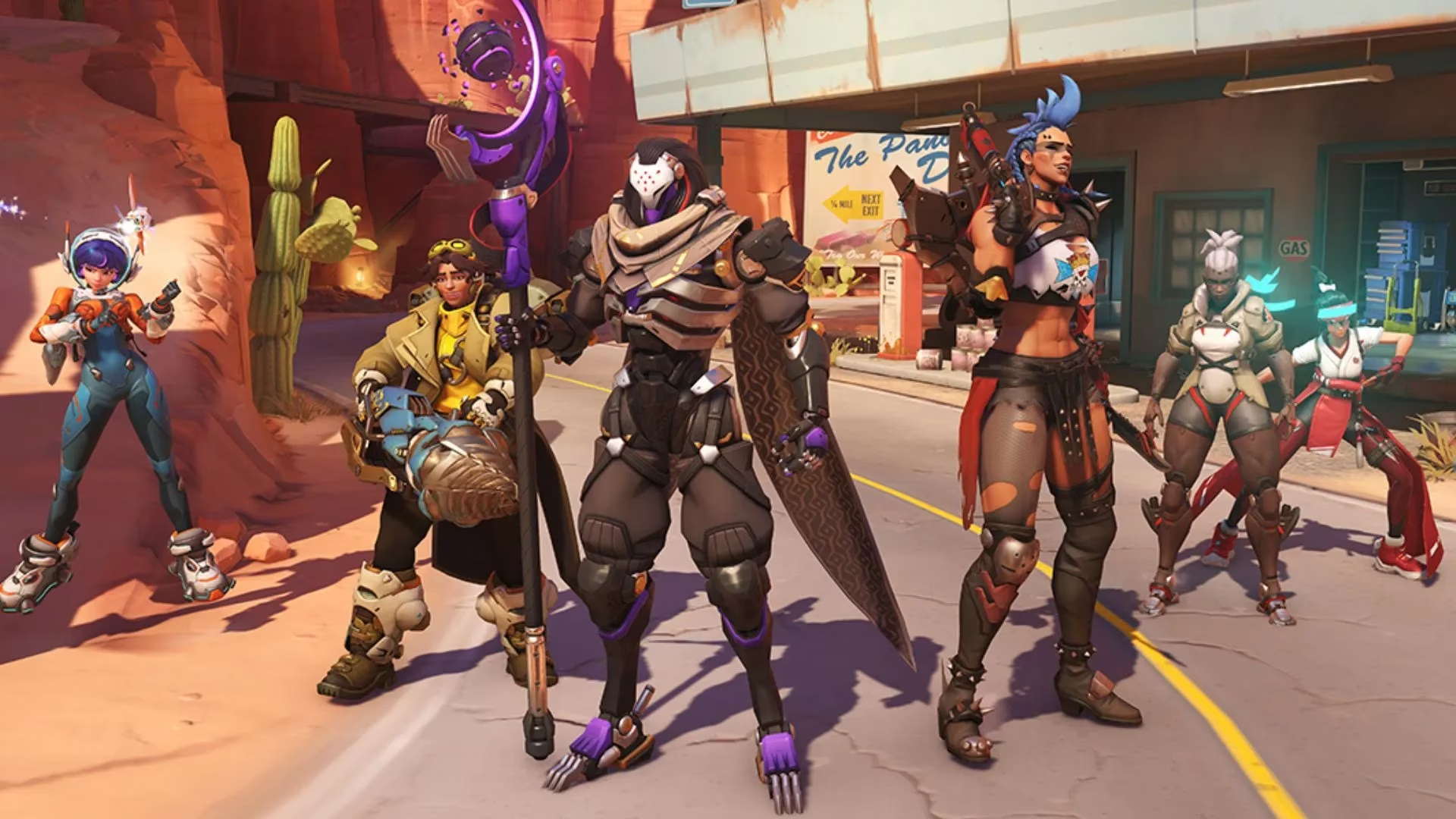
The rules were simple yet revolutionary for players accustomed to 5v5: two tanks, two damage dealers, and two supports per team, all battling under Quick Play parameters. Suddenly, coordinating with my co-tank felt like rediscovering an old dance routine—predicting each other's movements, sharing space, and creating those precious seconds for our DPS to exploit. This wasn't just nostalgia; it fundamentally altered team dynamics. With double barriers and combined tank ultimates, we executed strategies long abandoned since Overwatch 2's launch. 😄
⚖️ Hero Balance: The Great Tank Reshuffle
Blizzard didn't just copy-paste old mechanics—they meticulously retuned heroes for 6v6's unique rhythm. Tank adjustments were particularly dramatic:
-
Tank Role Passive: Ultimate charge reduction became the sole benefit (25%), while knockback resistance vanished—making environmental kills terrifyingly frequent again!
-
Roadhog's Overhaul: His iconic hook cooldown increased to 8 seconds, but the scrap gun now fires 25 pellets with higher crit damage. That secondary fire air burst? Pure crowd-control poetry.
-
Reinhardt's Renaissance: With 325 base health and the return of Steadfast (30% knockback reduction), Earthshatters felt monumentally impactful... though steering his charge became like piloting a semi-truck on ice.
Damage heroes benefited too—their passive healing reduction decreased to 15%, letting flankers like Tracer survive longer behind enemy lines. Meanwhile, Zenyatta's discord orb lost its target cooldown but lingered longer when breaking line of sight, creating tense positioning mind games.
🆕 The Juno Factor: Support Meta Shifts
Playing support during the event highlighted how newer heroes adapted to classic formations. Juno—with her Pulsar Torpedoes and Hyper Ring mobility—became my secret weapon for navigating chaotic team fights. Her Orbital Ray could melt through double-tank setups when timed with allied ultimates, creating devastating wombo-combos we'd rarely see in 5v5.
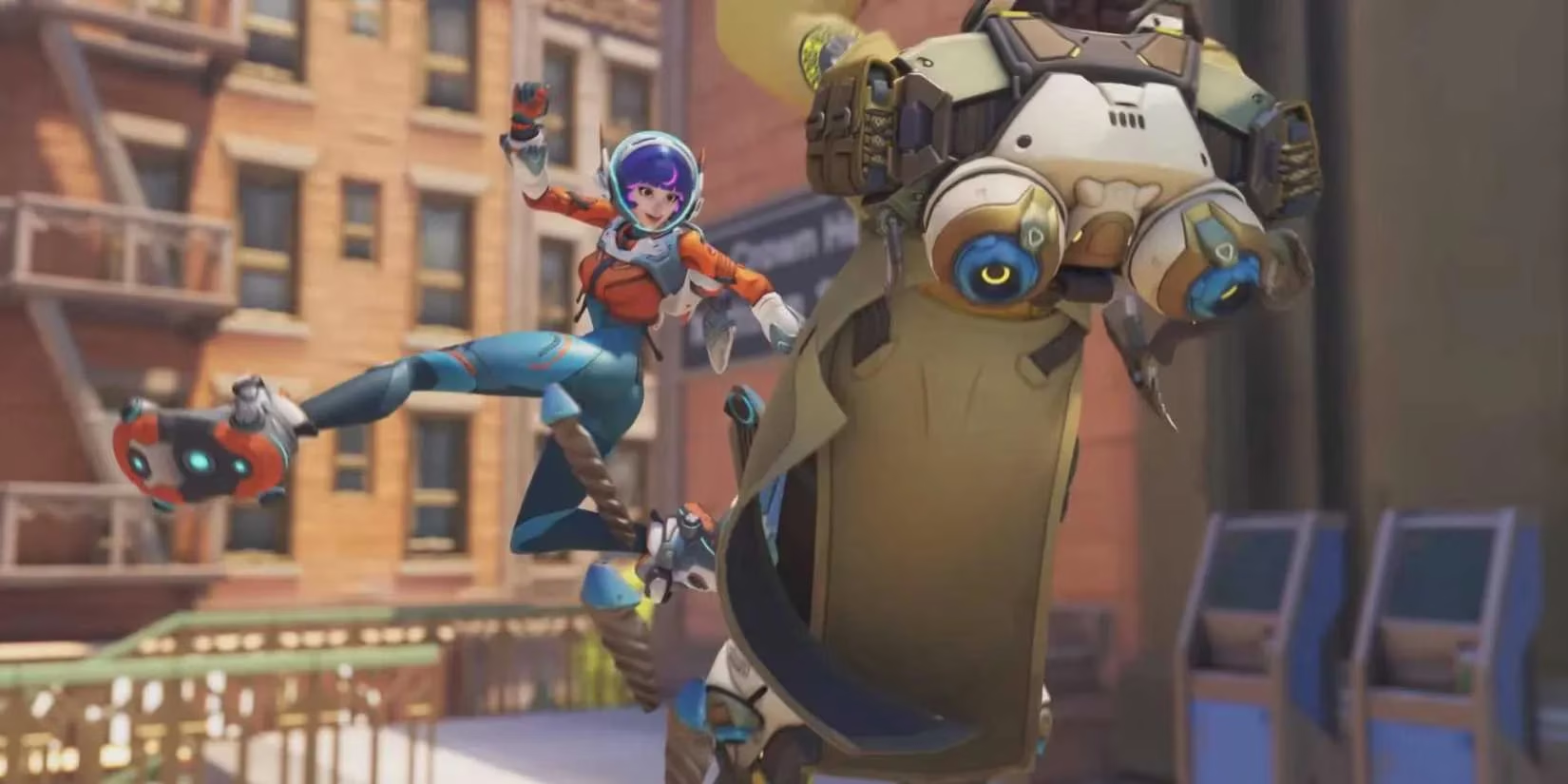
Kiriko's healing output surged with faster Ofuda recovery (+1 heal per projectile), while Baptiste's Regenerative Burst traded emergency healing for sustained HoT effects. Ana mains celebrated the most though—Sleep Dart cooldown dropped to 12 seconds without reduced duration against tanks. Putting both enemy tanks to sleep simultaneously? Chef's kiss.
❓ People Also Ask: Lingering Community Questions
Even months after the event ended, key debates persist:
-
Why did removing one tank fundamentally alter Overwatch's soul more than expected?
-
Could hybrid formats (like 6v6 for certain maps) ever become permanent?
-
How did Mauga's Cardiac Overdrive nerf (50%→30% allied lifesteal) reshape tank synergy dynamics?
-
Will classic ult-combos like Zarya/Hanzo ever regain their former glory?
Winston's Tesla Cannon no longer ignoring armor—coupled with his health/armor redistribution—made diving backlines feel riskier yet more rewarding. And oh, those frantic overtime pushes on payload maps with dual shields? Pure magic. Though the January 6th endpoint came too soon, the experiment proved how deeply team composition variety affects strategic creativity. Maybe someday... just maybe... we'll hear those beautiful words again: "Tanks, please switch to 2-2-2." 🛡️💥