
Since its initial unveiling, Concord has encountered widespread skepticism and criticism across online platforms, largely stemming from perceptions that it mimics the declining Overwatch franchise while embracing the contentious free-to-play, live-service model. This backlash reflects a broader gaming community resistance, particularly among PlayStation enthusiasts, who have grown wary of non-single-player experiences following high-profile cancellations like The Last of Us Faction 2. Many dismiss Concord as an uninspired clone, contributing to its underwhelming beta participation numbers. Yet, a deeper dive into the game reveals a thoughtfully crafted multiplayer shooter with notable strengths, such as its diverse character roster and engaging team dynamics, alongside frustrating design choices that hinder its flow. As of 2025, Concord continues to evolve, aiming to carve out a niche in the competitive hero shooter landscape by refining its core mechanics while addressing player feedback on accessibility and engagement.
Core Gameplay Mechanics and Strengths
Concord excels in several areas that showcase Firewalk Studios' expertise, drawing from the studio's Bungie heritage and influences from popular titles like Destiny 2. The game features a large roster of characters, each categorized into distinct roles—Anchor, Breacher, Haunt, Ranger, and Tactician—that cater to varied playstyles and strategic approaches. This diversity ensures players aren't confined to narrow roles; instead, they can experiment with different archetypes to find their fit. For instance:
-
Gunplay and Combat: The shooting mechanics are robust and satisfying, with a deliberate long time-to-kill that fosters intense, back-and-forth engagements. This design encourages teamwork, as players must coordinate interventions to secure victories, reminiscent of battle royale dynamics but within a hero shooter framework. 🎯
-
Team Synergy and Rewards: Players are incentivized to provide support in group fights, such as healing or area control, which yields tangible rewards without forcing rigid specialization. This creates a balanced experience where individual skill and cooperative play are equally valued.
The diverse character lineup allows for flexible team compositions, enhancing replayability.
The Crew Bonus System: Depth and Complexity
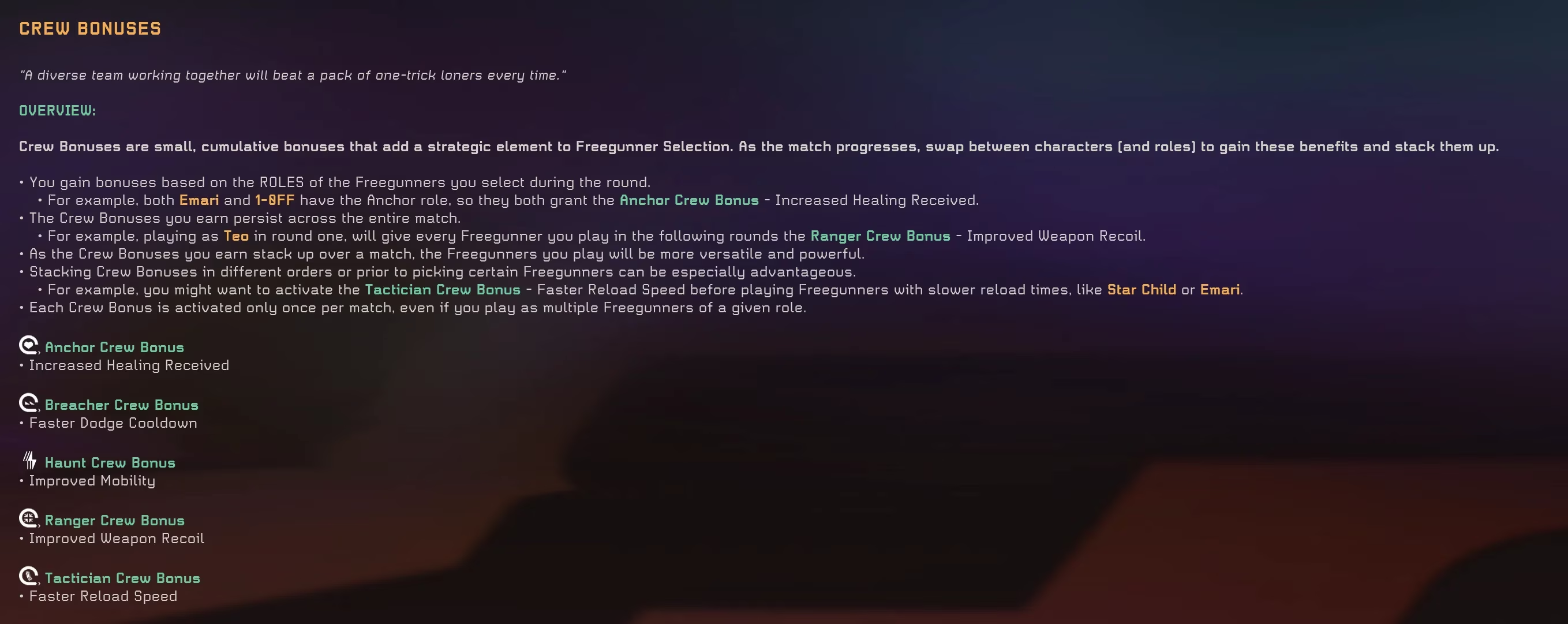
A standout feature in Concord is the Crew Bonus system, which adds a layer of strategic depth by encouraging frequent character swaps. Here’s how it works:
-
Passive Bonuses: Each character role grants a unique passive bonus upon selection, such as faster reload speed for Tacticians or increased durability for Anchors. These bonuses stack across rounds, meaning players accumulate advantages by cycling through different classes.
-
Strategic Stacking: For example, starting with a Tactician to unlock reload speed boosts, then switching to a slow-reloading character in the next round, amplifies effectiveness through careful planning. This mechanic aims to promote adaptability and long-term strategy.
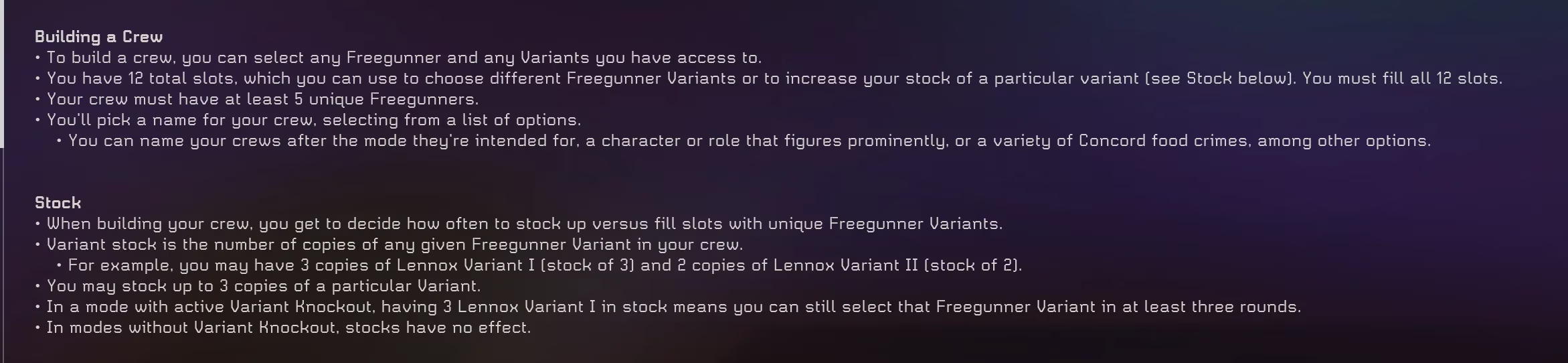
To support this, the game includes a Crew building system, where players assemble a limited roster of characters for specific modes. Key elements involve:
-
Stock Management: Players allocate slots to characters, including multiple copies (stock), which influences availability in certain game types.
-
Character Variants: Each hero has different variants, each with unique bonus abilities. Variants add customization but require players to manage their inventory, affecting gameplay in modes like Signal Hunt (a King of the Hill variant).
Variants introduce additional abilities, but their management can feel overwhelming during matches.
Design Flaws and Player Friction
Despite its potential, Concord suffers from several friction points that disrupt the immersive, fast-paced action expected in hero shooters. These issues were evident in the beta and persist into 2025, as updates strive to balance complexity with accessibility:
-
Frequent Menu Interruptions: After every death, players are forced back to the character select screen. While intended to allow swaps for the Crew Bonus, this creates a negative psychological effect—it implicitly suggests failure with the current choice and demands unnecessary menu interactions, even if no change is desired. This breaks the game's flow and feels punitive. 😩
-
Overcomplicated Systems: The Crew building and variant mechanics, while innovative, feel out of place. Players prefer jumping into action rather than managing rosters like in card games (e.g., Marvel Snap). The added micromanagement, such as sorting variants or handling stock, detracts from the core shooting experience and alienates the genre's core audience.
A summary of key pros and cons based on 2025 feedback:
| Aspect | Strengths | Weaknesses |
|---|---|---|
| Gameplay | Engaging gunplay, team-oriented combat | Tedious character selection after deaths |
| Systems | Deep Crew Bonus for strategic depth | Cumbersome menu management and variant handling |
| Audience Appeal | Broad character diversity for replayability | High friction for casual players |
Conclusion and Future Outlook
In 2025, Concord remains a game of contrasts—boasting impressive foundations like its dynamic roster and rewarding teamwork, yet hampered by design choices that add unnecessary complexity. Firewalk Studios has made strides in post-launch updates, such as simplifying variant systems and reducing menu prompts, to address community concerns. However, the game's success hinges on attracting a sustainable audience by emphasizing skill-based gameplay over convoluted mechanics. If these refinements continue, Concord could overcome its initial reputation and emerge as a compelling alternative in the hero shooter genre. For now, it stands as a testament to the challenges of innovating within established frameworks, offering valuable lessons for future live-service titles. 🚀