
I never expected a single map to make me feel like I was stepping into a hero's personal story, but Overwatch 2's Rio de Janeiro map—widely known to players as Paraíso—does exactly that. The first time I spawned in, the sun-washed alleys, painted walls, and distant pulse of Brazilian music told me I was not just escorting another payload. I was standing in Lucio's world. In 2026, after countless matches, that feeling still hasn't faded. If anything, Paraíso has become one of the clearest examples of how Overwatch 2 uses environment design to deepen character identity.
A Living Homecoming for Lucio 🎶
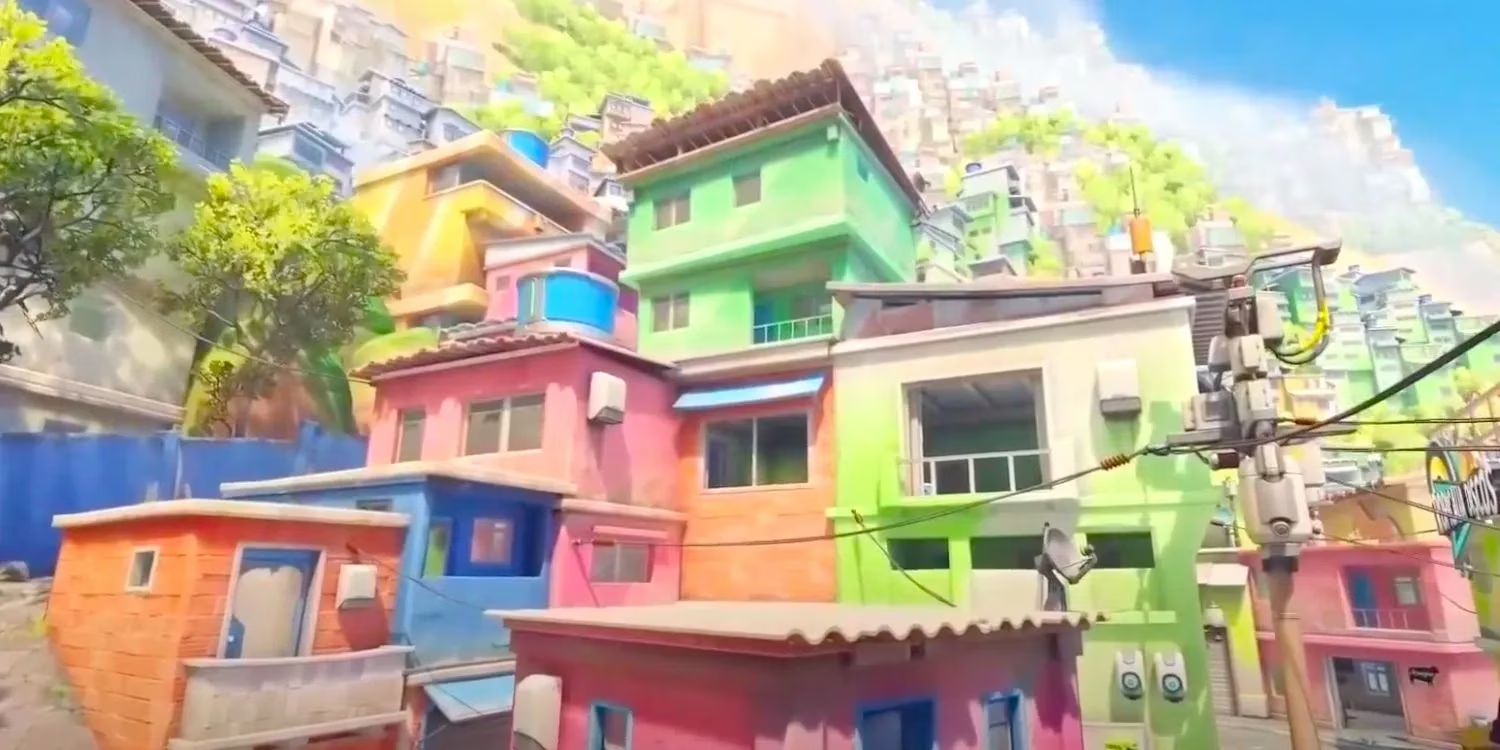
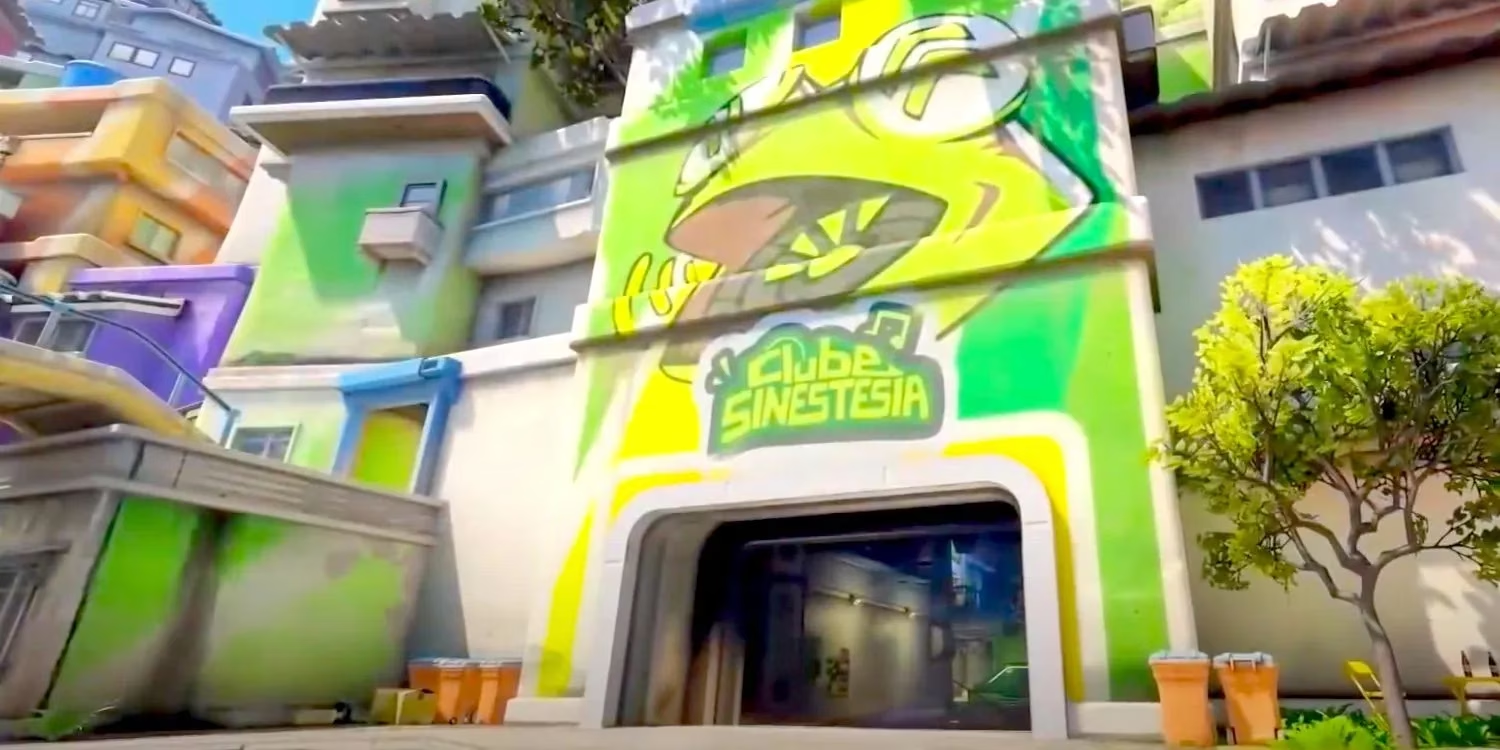
Before Paraíso, my main experience with Brazil in Overwatch had been limited to Lucioball at Estádio das Rãs, a bright but self-contained stadium. Paraíso is different. The map places the defense team inside Lucio's home and then expands outward through a vibrant favela, with winding streets, local shops, and colorful building facades. I often pause inside Clube Sinestesia during setup. The club feels personal, as if Lucio himself designed every light and speaker to lift the neighborhood. Would a hero built around rhythm, freedom, and community fit into a sterile or forgettable map? Not here. Some of the landmarks I love most include:
-
Clube Sinestesia: Lucio's own club, open to the community for free, glowing with neon and music.
-
Peacock carnival float Payload: the escort objective, bright and theatrical, like a parade moving through the streets.
-
Supermercado: a small market that adds everyday life to the route.
-
Bar do Peixuxa: a local bar tucked near the path, useful for cover and quick flank rotations.
-
Brazilian barbeque restaurant spawn room: a warm, welcoming starting point that contrasts with the combat just outside.
Winding Streets and Aggressive Angles 🧱
Paraíso is not a straight corridor. The route snakes through buildings and elevated side paths, offering plenty of cover for heroes who want to push forward. Compared to Havana's Escort map, I feel more freedom to cut through interiors and disappear around corners. That flexibility matters in Overwatch 2, where the shift from 6v6 to 5v5 has changed how teams hold space. With only one tank, there are fewer barriers to hide behind. Do I really want to stand out on one of those bright, open streets when the enemy damage players are watching? No. Instead, I use the shops, balconies, and narrow alleys to split attention and force duels. The map constantly asks me whether I should rotate early or hold a tight angle, and that decision-making keeps every fight tense.
The Push Toward a More Confrontational Game ⚡
Rio was revealed around the same time Blizzard announced Push mode, a tug-of-war style mode where teams fight over a neutral robot. Paraíso itself remains a payload-focused map, but its design reflects the same philosophy: less passive shield play, more active contesting. The winding favela streets, short sightlines, and frequent side rooms push me into constant movement. In 5v5, losing one player matters more, and Paraíso offers just enough cover to recover without turning matches into shooting galleries. Every corner can hide a flanker, every doorway can become a brawl.
Why It Still Stands Out in 2026 💛
Years after launch, Paraíso holds up because it is not simply a map—it is a character study. I still smile when the carnival float rounds a corner and the neighborhood's music swells. The smaller storytelling details, from the market to the bar to the club, make the map feel like a real place rather than a set of lanes. When I play Lucio on his home stage, every wall ride across those colorful facades feels like returning a piece of the story to its owner. What more could I ask from a multiplayer level than to feel like I just walked through a hero's front door?