
I still remember the summer of 2022 when the Xbox & Bethesda Games Showcase dropped a trailer that instantly rewired my expectations. The news that Overwatch 2 would launch completely free-to-play felt like a seismic shift—one that Blizzard had long resisted with the original game. Sitting in front of my monitor, I realized this decision would redefine not just the sequel’s accessibility, but its entire lifespan. Now, in 2026, after four years of early access, seasonal updates, and countless payloads pushed, I can see how that single announcement truly changed everything.
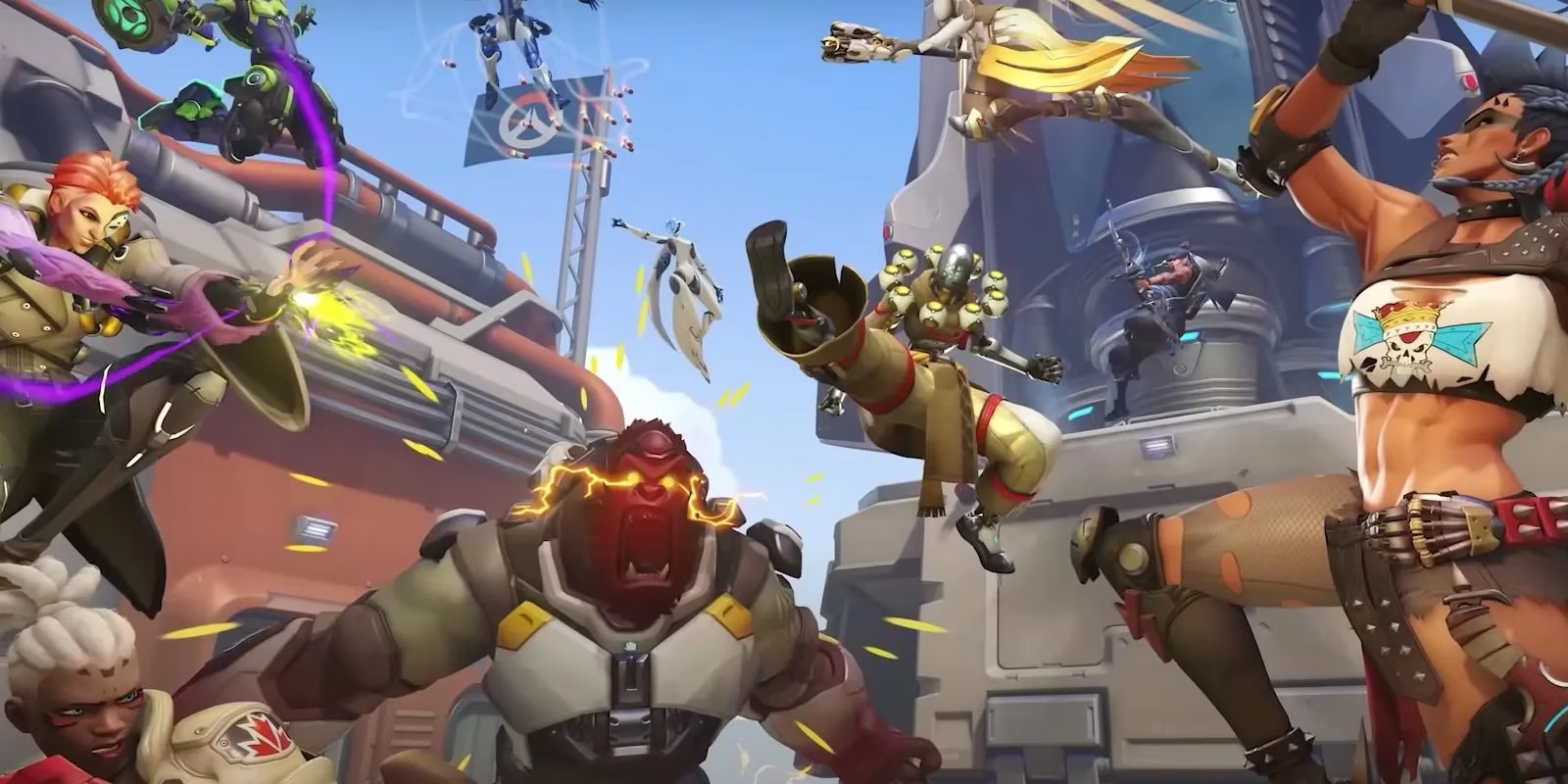
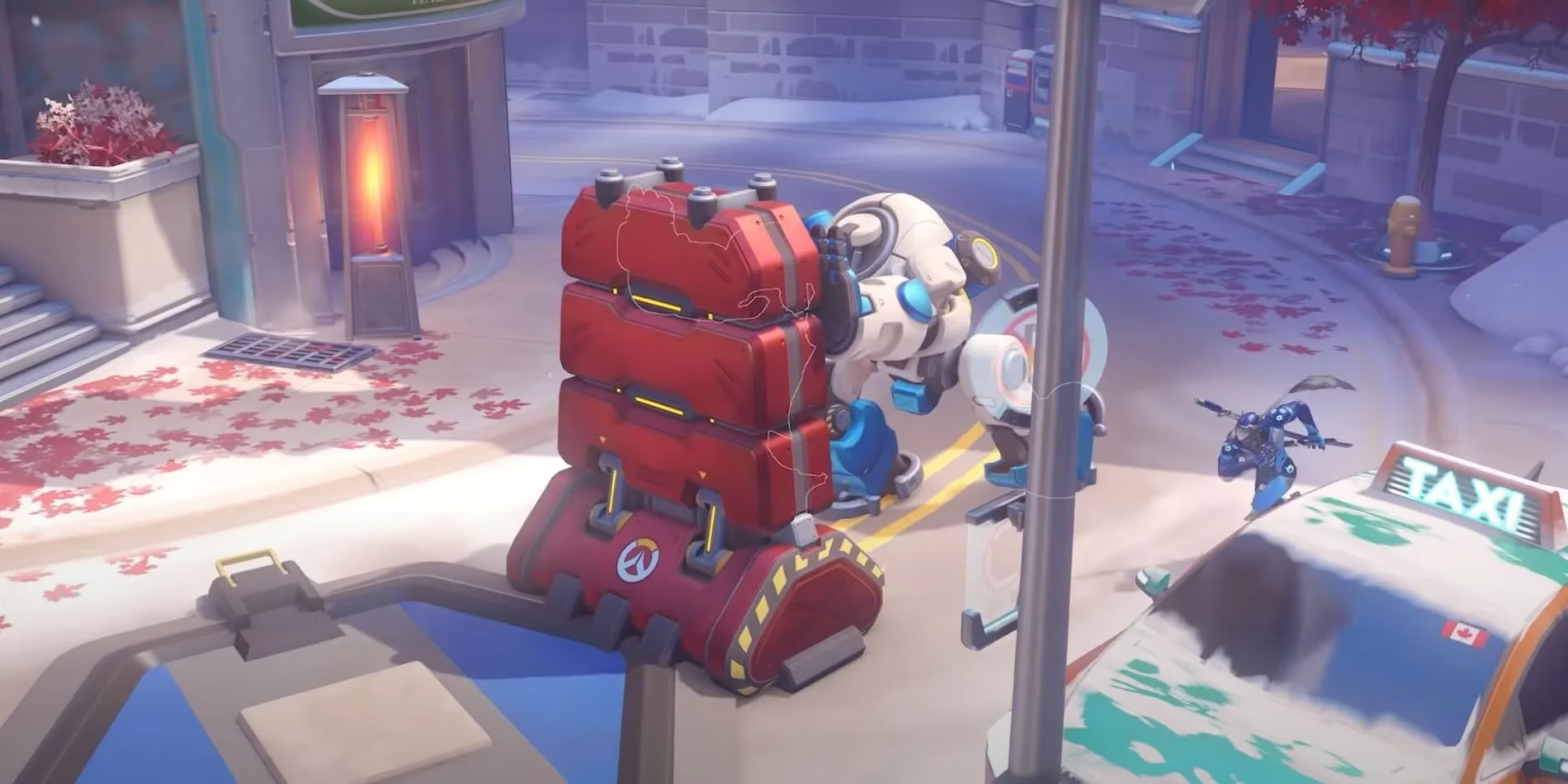
The free-to-play model arrived alongside other foundational overhauls that I experienced firsthand. Matches shrank from 6v6 to 5v5, locking each side into one tank, two damage dealers, and two supports. At first, I missed the chaotic synergy of double-shield comps, but the leaner format made every skirmish feel more personal. New heroes like Sojourn with her railgun precision and the ruthless Junker Queen wielding her jagged ax added freshness, while the Push mode—where two teams wrestle a robot through winding barricades—became my favorite proving ground for the revamped tempo. The early access build gave me hope that Overwatch 2 could escape the original’s shadow, though the 5v5 change in the Beta drew sharp criticism; tank players often felt isolated, and off-tank mains like me had to relearn our entire approach. Even so, the free price tag promised a wave of new allies and opponents that the paid original could never attract again.
Behind the gameplay, Overwatch 2 had been struggling against a turbulent backdrop. The shadow of Activision Blizzard’s toxic workplace lawsuits and the lingering memory of the Blitzchung controversy from 2019 had eroded trust. Many players I knew had boycotted the company’s titles altogether. The controversial rename of McCree to Cassidy took months to feel natural, and the general scarcity of news prior to 2022 made the sequel feel like a ghost project. The free-to-play reveal acted like a defibrillator, jolting public attention back toward the franchise just when it needed it most.
In the years since, I’ve watched the player base balloon in ways the original Overwatch never managed. Removing the upfront cost meant friends who’d never spent a dime on Blizzard games suddenly became regular squadmates. The influx of players, in turn, justified more frequent content cadences. Where the original endured agonizingly slow hero releases, Overwatch 2 now greets us with a new hero roughly every other season, alongside battle passes that consistently introduce map expansions, mythic skins, and limited-time modes. This faster rhythm keeps the meta cycling, which prevents the dreaded stagnation that defined years of GOATS or double-barrier eras. Having a healthier concurrent count also let the game stand toe-to-toe with rivals like Apex Legends and Warzone during the battle royale boom, reminding the industry that team-based objective shooters still have a massive audience.
Despite these wins, the free-to-play transition delivered a mirror image of problems I’d feared since 2022. Monetization grew more aggressive than the original’s loot box model. Those randomized cosmetic drops, which I’d once criticized as light gambling, almost felt nostalgic once the battle pass and item shop took over. Now, the most coveted legendary skins—especially crossover collaboration outfits or highly detailed mythic tiers—are either gated behind a premium pass tier costing roughly $10 per season or sold directly for upwards of $20. For completionists who enjoyed earning cosmetics through steady play in Overwatch 1, the shift felt like a slap. It certainly boosts quarterly revenue reports, but it also fragments the community between paying and purely free players, a divide I see every time someone asks “how did you get that skin?” during pre-match skirmishes.
The other persistent headache I keep running into is the role queue timer. Even with a massive free-to-play population, hopping into a damage hero frequently means staring at a ten-minute queue during peak hours, while tank and support slots fill almost instantly. The priority pass system Blizzard introduced as a band-aid nudges some players toward flex picks, but it hasn’t solved the core imbalance—most of the roster remains damage-oriented, and shooter instincts die hard. I’ve watched promising newcomers quit after three or four matches because they spent more time in skirmish waiting than actually firing their pulse rifles. That friction constantly tests the patience of a community that Overwatch 2 can’t afford to lose.
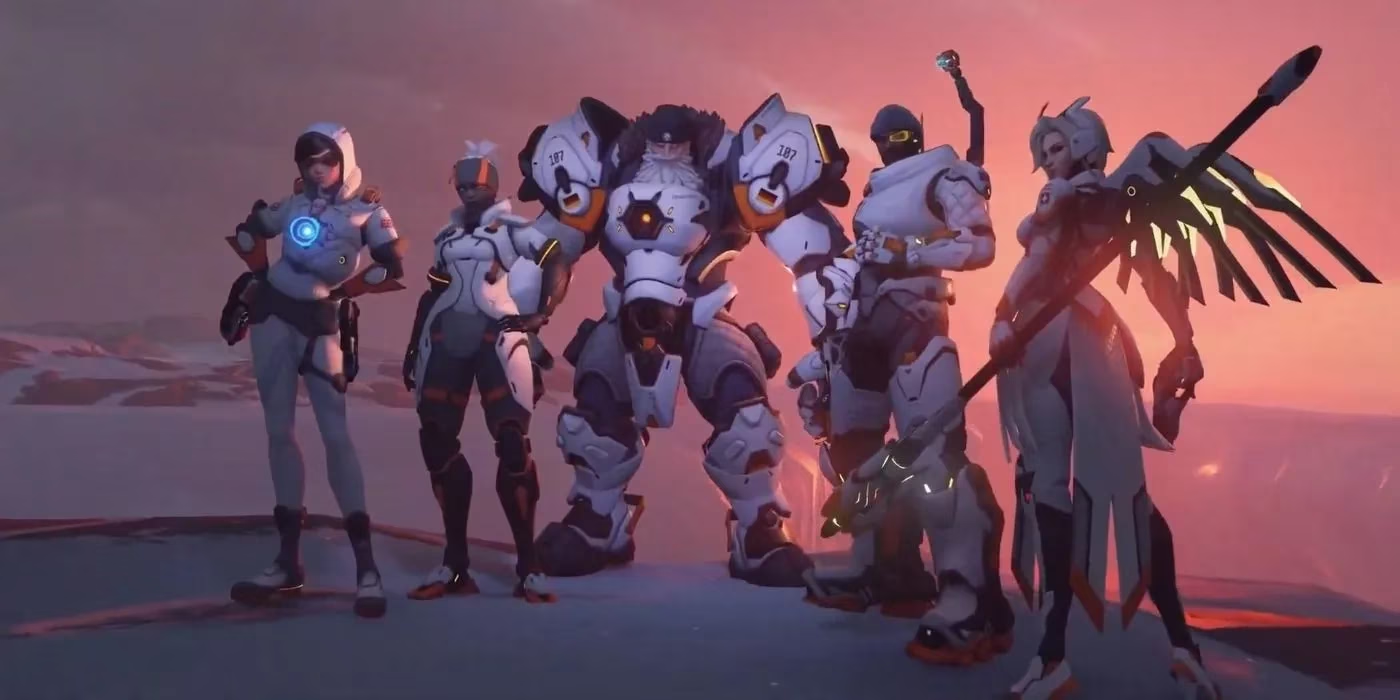
Looking back from 2026, the path Overwatch 2 carved remains both a cautionary tale and a template. The free-to-play announcement reversed a dangerous hype drought and gave Blizzard the audience size necessary to iterate courageously. Heroes like Kiriko, Ramattra, and more recent additions would have felt like niche experiments if the player count stayed small. But the model also normalized a spending treadmill that occasionally overshadows the pure joy of zoning a support as Lucio or landing a perfect Earthshatter. The long-awaited PVE story missions, which finally arrived in episodic form in 2023 and 2024, offered some reprieve by delivering cooperative narratives without microtransaction pressure, yet even those couldn’t fully cleanse the monetization fatigue.
For me, Overwatch 2’s free-to-play identity is a paradox. It democratized the hero shooter genre and gave millions a chance to experience the thrill of overtime clutches without a price tag. At the same time, it tied the game’s longevity to a shop interface that never truly stops selling. The 5v5 format has matured into a sharp competitive framework, the Push mode now feels indispensable, and the hero roster brims with personality. But every time I see the battle pass level-up animation while waiting for a damage slot to open, I’m reminded of the tradeoffs that started with that announcement in 2022. Whether the balance tips toward lasting trust or creeping resentment will depend on how Blizzard navigates the next four years—and whether players like me keep believing that the core loop is worth the cost of admission, both in time and in wallet.