
In 2026, Overwatch 2 is no longer an upcoming sequel; it is a live-service fixture with seasons, balance patches, and a roster that has grown far beyond its 2016 origins. Yet one of the most enduring conversations among fans remains the visual evolution of Mercy, the angelic support hero whose design has traveled a long road from early concept art to her current in-game appearance. The character, Angela Ziegler, almost looked entirely different, and the story of those changes offers a fascinating look at how Blizzard refines its heroes over time.
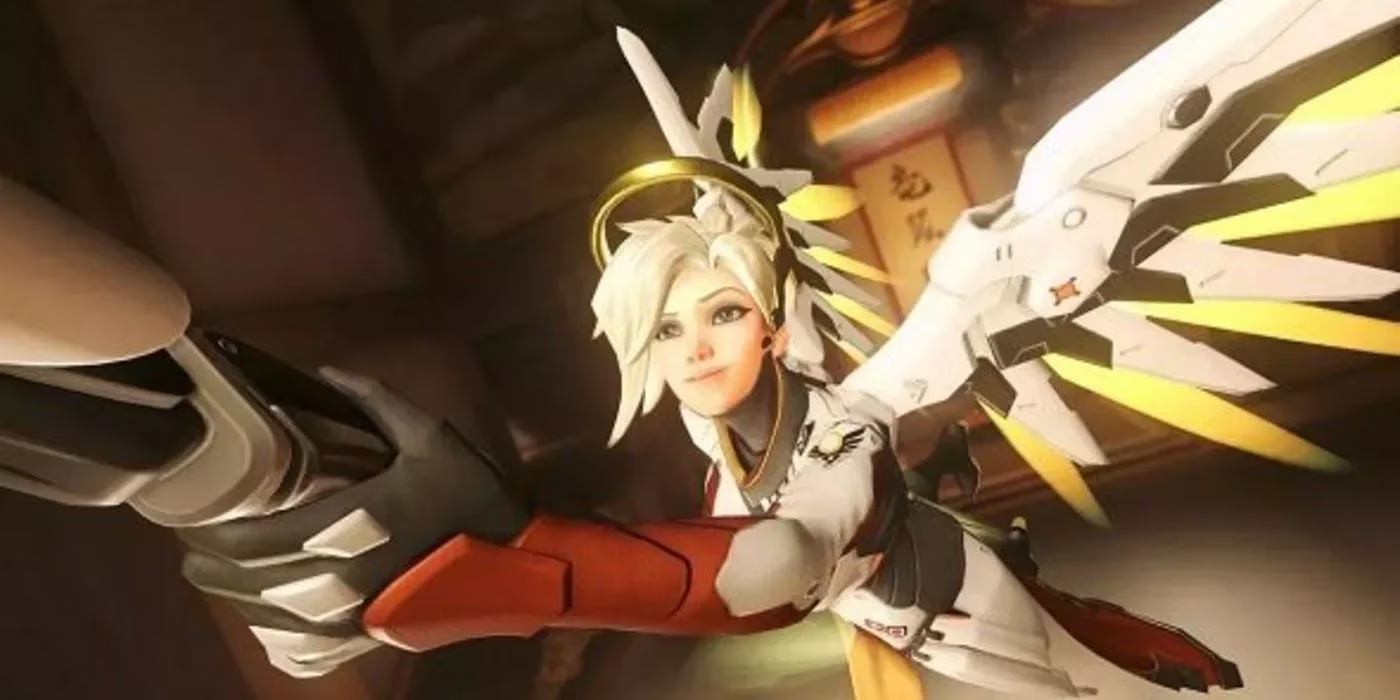
The Concept That Almost Was
Long before Mercy became the fan-favorite support with the Valkyrie suit, Blizzard experimented with multiple directions. Official concept art shared by the Overwatch team showed both male and female Valkyrie variants of the character. These early sketches explored different silhouettes, armor shapes, and angelic motifs before the final decision was made to cast Angela Ziegler as the hero. For longtime players, the artwork is not entirely new, but it remains a striking reminder that Mercy could have been a very different figure.
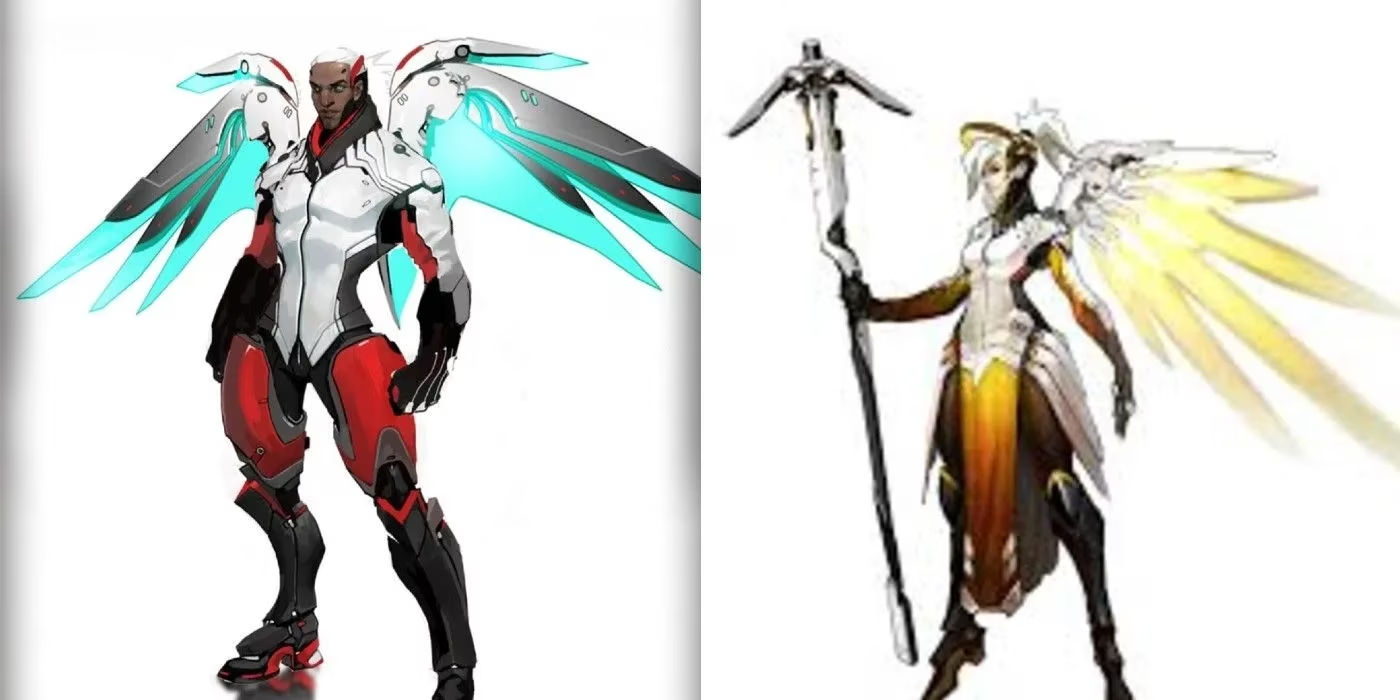
The male Valkyrie concept, in particular, raises intriguing what-if questions. Would the character have become as popular? Would the fanbase, cosplay community, and support-player identity around Mercy have formed in the same way? The final Angela Ziegler design clearly struck a chord, blending compassion, technological skill, and a strong visual identity that has survived years of gameplay changes.
From Concept to Original Overwatch
When Overwatch launched, Mercy arrived with a design that felt both futuristic and mythological. Her wings, halo-like headpiece, staff, and white-and-gold Valkyrie suit made her instantly recognizable. The concept-to-final transition was not simply a matter of picking a gender; it involved refining proportions, colors, and personality cues until the hero matched the game's bright, hopeful tone.
The original design also established Mercy as more than a healer. She became a symbol of protection, resurrection, and mobility. Her silhouette needed to read clearly from a distance, which is a core principle in hero shooters. Every element, from the shape of her wings to the glow of her staff, had to communicate her role without a single line of dialogue.
The Overwatch 2 Reskin and Its 2026 Legacy
When Overwatch 2 was first previewed around BlizzCon 2021, Blizzard revealed that existing heroes would receive updated looks. Mercy's changes included a new haircut and several color-palette swaps. White pieces of gear were replaced with orange or yellow accents, giving her a fresher, more modern appearance. Of all the adjustments, her hair became one of the most noticeable differences and sparked plenty of discussion among fans.
In 2026, those changes are simply part of Mercy's established Overwatch 2 identity. The sequel has been available for years, and its visual language has continued to evolve through seasonal cosmetics, mythic skins, and event variants. Still, the initial reskin remains important because it marked the first major redesign of a hero who had already become iconic.
| Version | Key Design Traits | Fan Reaction |
|---|---|---|
| Early concept art | Male and female Valkyrie variants; experimental angelic motifs | Curious, retrospective interest |
| Original Overwatch | Angela Ziegler; white-and-gold Valkyrie suit; halo and wings | Instantly iconic; support favorite |
| Overwatch 2 reskin | New haircut; orange and yellow palette swaps | Mixed to positive; hair was the talking point |
Why the Evolution Matters
The Mercy design journey reflects a broader truth about Overwatch: heroes are not created in a single flash of inspiration. They are shaped through iteration, feedback, and artistic risk. At the time of the 2021 previews, fans were also eager to learn about new heroes such as Sojourn and rumored characters like Yokai. In 2026, the roster conversation has moved on to newer additions and seasonal updates, but Mercy's early development still offers a valuable window into Blizzard's process.
It is also worth considering how much the game and its community could have changed if Mercy had remained a male character or someone other than Angela Ziegler. Mercy has become a fan-favorite for reasons that go beyond stats and abilities. Her design, voice, and story resonate with players who value support roles, healing, and a certain graceful resilience.
A Look Back That Still Resonates
For current players, Mercy's concept art and Overwatch 2 redesign are more than trivia. They show how a hero can evolve while keeping the core idea intact. The angelic healer who almost looked completely different became one of the most recognizable figures in modern gaming. In 2026, as Overwatch 2 continues to change, that history remains a reminder that even the most polished heroes begin as rough sketches and bold experiments.
Whether fans prefer the original white-and-gold look, the Overwatch 2 haircut, or a specific seasonal skin, Mercy's visual story is one of transformation. It is a story that began with multiple Valkyrie concepts and arrived at a hero who has defined support gameplay for a generation.