
I’ve been covering the Overwatch universe since its electrifying debut in 2016, and few moments have felt as candid as the one we just witnessed. In a developer update that landed like a well-aimed Pulse Bomb, Game Director Aaron Keller stood before the community and admitted what many of us have been whispering for months: the team has dropped the ball. The emotional whiplash of this confession—raw and unvarnished—carries the same sting as watching a favorite hero repeatedly respawn with no progress toward the objective.
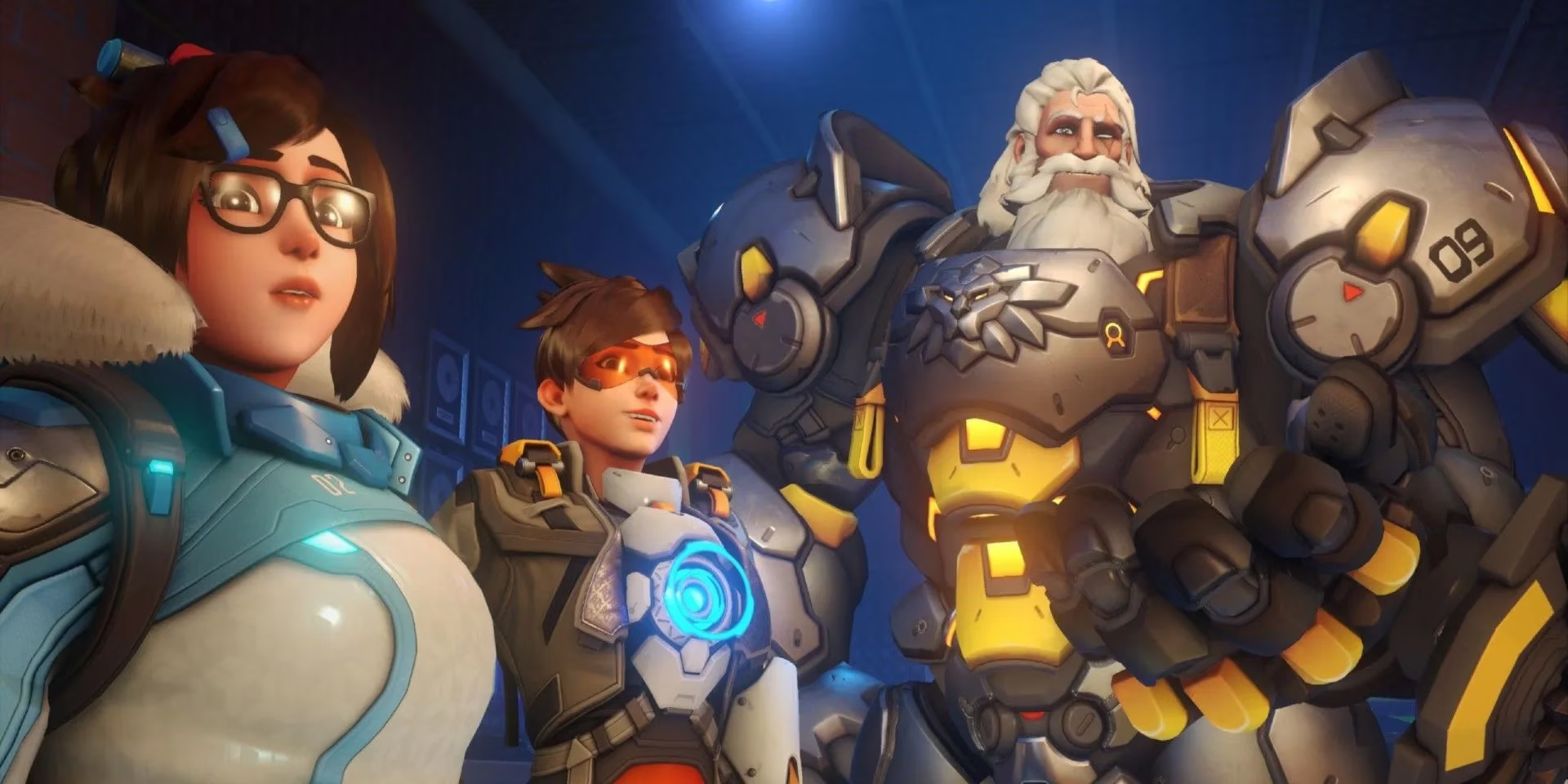
Since the announcement of the sequel, the flow of content has felt like a river slowly drying into a trickle, leaving the community stranded in anticipation. While Overwatch once thrived on a steady cadence of new heroes—Orisa and Sombra in the first year, followed by Wrecking Ball, Baptiste, and Doomfist—the shift toward Overwatch 2 turned that stream into a drought. Keller’s apology isn’t just a corporate gesture; it’s a pressure valve finally released after years of pent-up frustration. In the video, shared on the official channels, he directly addressed the silence, saying the team has “let [players] down” with the sparse updates and lack of transparency. For those of us who’ve guarded payloads and captured points religiously, hearing those words felt like a long-overdue healing orb.
The development of Overwatch 2, now well into its post-launch lifecycle, has felt like trying to build a ship while already at sea. The staggered release approach Keller mentioned echoes the same strategy first teased back in 2022, but in 2026 it has evolved into a more structured cadence. He revealed that a massive mid-year patch will inject the original Overwatch with legacy map reworks and a surprise hero from the archives, while the sequel will receive new PvE chapters and a competitive overhaul by autumn. This dual-game approach continues to blur the line between predecessor and sequel, but Keller insists it’s a deliberate choice—one designed to keep the entire ecosystem breathing rather than letting the original game wither like an unwatered plant.
Some of the slow progress can be traced back to internal turmoil, notably the Activision Blizzard lawsuit that shook the industry. The fallout from those allegations forced the studio to rebuild trust not just with its audience but with its own workforce. The Microsoft acquisition, completed long before 2026, has slowly reshaped Blizzard’s culture. Keller hinted that new management and resources have allowed the Overwatch team to “refocus on what matters most: the hero experience.” It’s a promise that carries weight, given how deeply the lawsuit’s revelations cut into the community’s goodwill. Hearing this, I can’t help but feel that the sequel’s production has been like a Pharah rocket barrage—delayed ignition, but now finally locking onto its targets.
To better visualize what’s coming, here’s a quick breakdown of the key points from the update:
-
Staggered Delivery Model: Instead of monolithic expansions, Overwatch 2 will see quarterly content drops, blending heroes, maps, and story missions.
-
Beta Testing Returns: Before any major feature hits live servers, dedicated beta weekends will allow players to stress-test changes, a nod to the experimental card days.
-
Original Overwatch Refresh: Classic maps like Hanamura and Temple of Anubis are receiving 2.0 reworks, along with a new progression system that carries over cosmetics into the sequel.
-
Transparency Pledge: Monthly “Director’s Cut” blogs will detail development challenges and respond to top community questions.
The announcement has already started to mend the fractured relationship between Blizzard and its most devoted players. For a franchise that has always thrived on its vibrant character roster and lore, this level of openness feels like a well-executed Zenyatta ultimate—soothing and long overdue. However, skepticism remains. Many fans have heard mea culpas before, only to watch timelines crumble like a Reinhardt shield under sustained fire. The difference this time is the concrete roadmap and the admission that silence itself was the enemy.
Looking ahead, I’m cautiously hopeful. The upcoming beta will be the true litmus test—a chance for the community to kick the tires before the garages open wide. If Blizzard can maintain this cadence and keep the apology from turning into a hollow voice line, Overwatch might just recapture the magic that made it a cultural phenomenon. After all, a game that once taught us “the world could always use more heroes” deserves a development team brave enough to become its own savior.