
The transition of Overwatch 2 to a free-to-play model marked a significant shift for Blizzard Entertainment's flagship team-based shooter. While veteran players can carry forward their hard-earned cosmetics from the original game, a new economic reality has emerged for those entering the fray for the first time. A recent analysis has shed light on the staggering potential cost for newcomers aiming to acquire the entire cosmetic legacy of Overwatch 1, sparking widespread debate within the community about the game's monetization strategy as it heads towards its 2026 iteration.
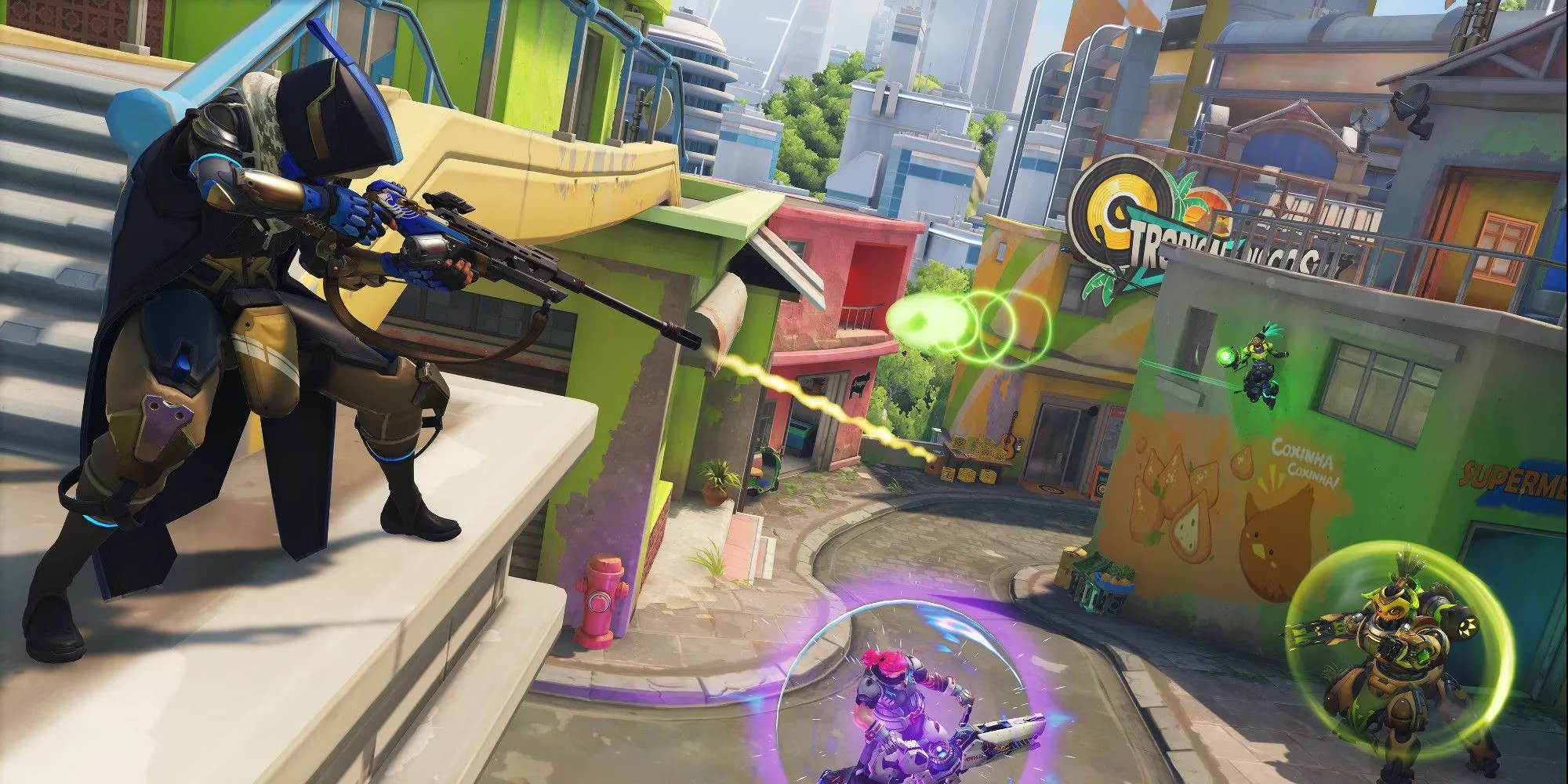
According to detailed calculations originally shared by Reddit user loliscoolyay4me and later reported by Twinfinite, the cumulative cost to purchase all legacy cosmetics—items that were freely unlockable in the first game—reaches an eye-watering $12,000. This figure represents the theoretical maximum spend using the game's premium currency and Battle Pass systems, and it notably excludes any new heroes, skins, or items introduced since Overwatch 2's launch.
The breakdown reveals the sheer scale of the cosmetic library amassed over Overwatch's original six-year lifespan. For players opting not to spend money, the grind is equally daunting. Based on the credit earnings from weekly challenges in Overwatch 2, loliscoolyay4me estimated it could take approximately 450 years of consistent play to earn enough in-game credits to unlock everything for free. This stark contrast between the old progression system and the new economy has become the core of player discontent.
The Community's Divided Reaction 😮
The revelation of the $12,000 price tag sent shockwaves through forums and social media. The dominant sentiment among critics is that Overwatch 2 has transformed into what many describe as a "Blizzard cash grab," with monetization efforts perceived as permeating every aspect of the experience. Longtime fans, who supported the initial paid title, express frustration seeing items they earned through gameplay now placed behind substantial paywalls or impossibly long grinds for new players.
However, the reaction is not universally negative. A segment of the player base, particularly veterans, has responded with a mix of dark humor and appreciation for their existing accounts. Jokes about the newfound "value" of their old profiles have circulated, highlighting the perceived worth of years of collected cosmetics. This divide underscores the tension between rewarding loyal players and creating a sustainable, accessible model for a free-to-play future.
Beyond the Sticker Shock: The Core Controversy ⚖️
The controversy extends beyond a single large number. Players are deeply concerned that Blizzard's primary focus has shifted from crafting a polished, satisfying gameplay loop to aggressively pursuing profit through microtransactions. The fear is that the quality of core content—balanced heroes, engaging maps, and fair competitive integrity—could be secondary to the design of lucrative Battle Passes and shop rotations.
Despite these concerns, Overwatch 2 continues to maintain a robust player base. The free-to-play barrier has undoubtedly brought in a flood of new participants, and many veterans have returned to experience new heroes, maps, and the shift to 5v5 combat. The game's fundamental team-play mechanics remain compelling for millions. The true test, as the community approaches 2026, will be longevity. Will players tolerate the monetization structure for years to come, or will frustration over cosmetic accessibility and pricing drive a significant portion away?
| Aspect | Original Overwatch | Overwatch 2 (Post-Launch Model) |
|---|---|---|
| Access Model | Paid upfront ($60) | Free-to-Play |
| Core Cosmetic Progression | Loot Boxes (earned via play) | Battle Pass & In-Game Shop |
| Legacy Content for New Players | N/A (Game was new) | Purchase or extreme grind |
| Veteran Player Carryover | N/A | All unlocked cosmetics transfer |
In conclusion, while Overwatch 2 successfully eliminated the initial price of entry, it erected a new, controversial economy in its place. The legacy of Overwatch 1 now carries a price tag that few imagined, creating a clear schism between the game's past and its free-to-play present. As updates continue into 2026, all eyes are on Blizzard to see if they can balance the books with player satisfaction, ensuring that the heart of Overwatch—its thrilling, team-oriented gameplay—isn't overshadowed by the cost of looking good while playing it. The journey from a $60 boxed product to a service with a $12,000 cosmetic ceiling is a tale that continues to define the game's modern era.