
The tumultuous launch of Overwatch 2 back in the day felt like trying to assemble IKEA furniture without the instructions—chaotic, frustrating, and you were never quite sure what you'd end up with. While the game has long since settled into its live-service rhythm by 2026, veteran players still chuckle (or shudder) at the memory of one particularly infamous bug that haunted the early weeks. This wasn't just any glitch; it was a digital pickpocket, silently swiping players' hard-earned credits for skins they never wanted. Blizzard, after a swift response years ago, has ensured such ghost-purchases are a relic of the past, but the tale remains a cautionary chapter in the game's history.
Remember the Great Skin Snafu of 2022? As reported back then, a bizarre interaction between the hero gallery and the chat system created a perfect storm for accidental purchases. Players browsing their favorite heroes' cosmetics while typing a message could, with just two errant taps of the spacebar, confirm a skin purchase without any explicit intent. It was as if the game's UI had developed a mind of its own, a mischievous gremlin hiding in the code, waiting to pounce on an unsuspecting key press. All sales were final, leaving victims staring at a new, unwanted skin and a depleted currency balance, feeling like they'd just been expertly conned by a street magician.
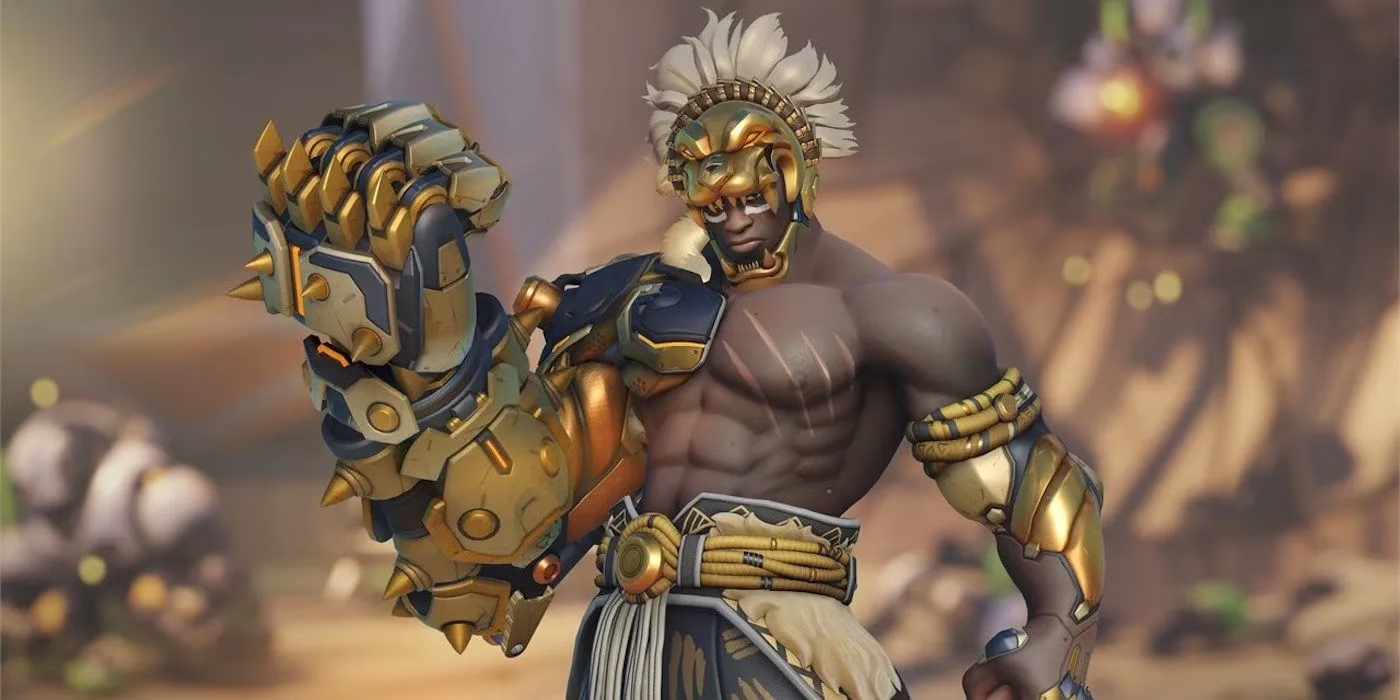
The hotfix that followed was a crucial band-aid for a bleeding wound in player trust. Blizzard patched the chat interaction, making skin purchases a deliberate action once more. This move was part of a larger firefighting effort in Overwatch 2's infancy, which also addressed:
-
Monstrous Server Queues: Login times that felt longer than a transatlantic flight.
-
The Controversial Phone Number Requirement: A barrier that initially locked out some players, later revised.
-
General Stability Issues: Crashes and errors that interrupted the core gameplay loop.
Fixing the purchase bug was vital because it directly impacted the game's economy and player agency. It transformed the hero gallery from a potential minefield back into a safe space for window-shopping.
The context of this bug made it especially grating for the community. Overwatch 2's transition from a premium loot box model to a free-to-play battle pass and shop system was, and remains, a point of intense discussion. The value proposition of cosmetics was under a microscope. When the bug was active, players weren't just losing virtual currency; they were losing their ability to choose how to spend it in a new and already scrutinized system. The fact that legacy cosmetics from the original Overwatch were being resold at a cumulative value that could rival a used car's price tag only added fuel to the fire. An accidental purchase in that climate didn't just feel like a bug—it felt like insult added to injury.
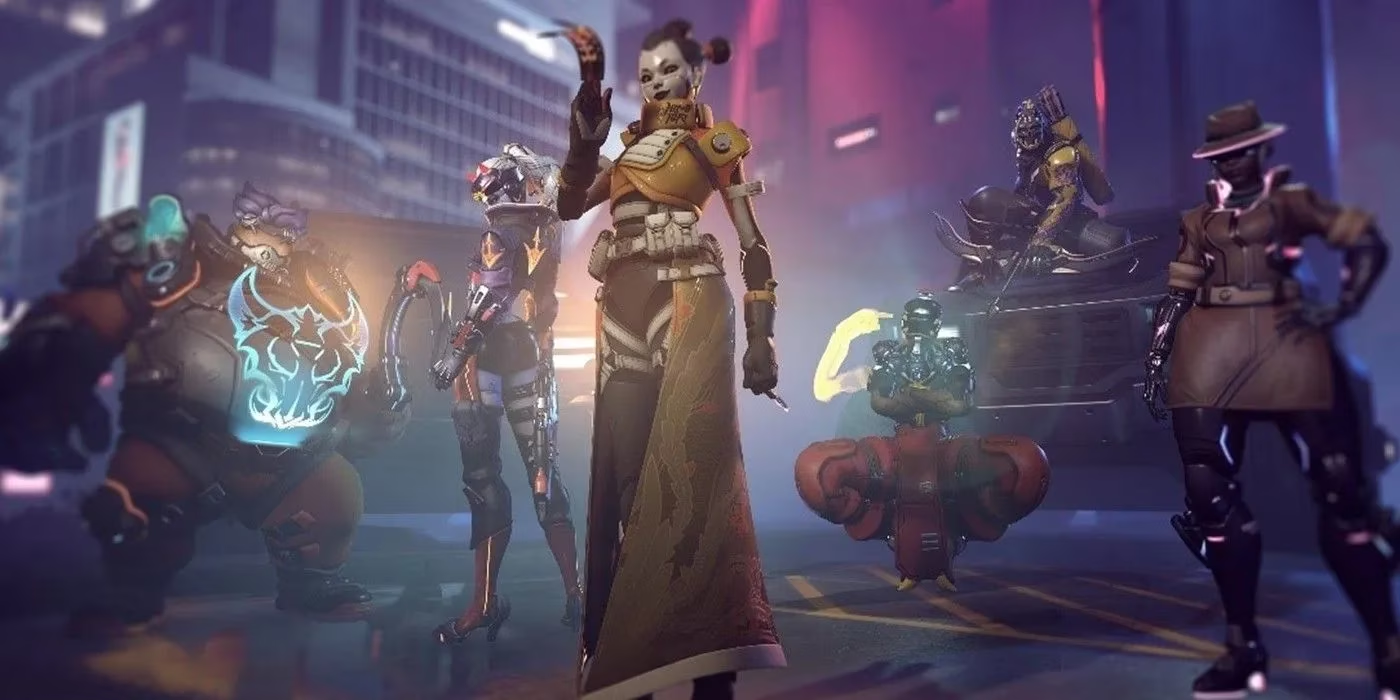
Looking back from 2026, the resolution of this bug marked an early step in Blizzard's long-term commitment to polishing the Overwatch 2 experience. While the game's visual and sound design received a next-gen glow-up, the backend systems needed similar care. Squashing this bug was like a mechanic finally silencing a persistent, annoying rattle in a brand-new car—it allowed players to finally appreciate the ride. The incident underscored a core tenet for live-service games: player trust in the storefront is as important as balance in the gameplay. If players feel their wallet is unsafe from the game itself, engagement crumbles faster than a cookie in milk.
Thankfully, the landscape is different today. The purchase flow in Overwatch 2 is now clear, requiring multiple confirmations, making accidental buys nearly impossible. The legacy of the bug lives on mostly in community memes and as a reminder of launch-day growing pains. Other live-service titles have faced similar issues, but Overwatch 2's high-profile stumble and recovery set a precedent for rapid response. The episode serves as a digital fossil, showing how far the game's infrastructure has come. It's a testament to the fact that in the world of online gaming, sometimes the most important victories aren't captured on the objective, but in the lines of code that ensure fair play—and fair pay—outside of it.
Key findings are referenced from GameFAQs, where long-running community Q&A threads and troubleshooting posts around live-service UI quirks underline a consistent lesson echoed by Overwatch 2’s early “ghost purchase” bug: storefront and menu flows must be fail-safe, because even small input-focus mistakes (like chat stealing confirmation keystrokes) can quickly erode player trust in cosmetic spending and make routine hero-gallery browsing feel risky.