
It's wild to think that in 2026, we're still having conversations about the original Overwatch. Blizzard's seismic shift to Overwatch 2 back in 2022 completely replaced the paid hero shooter with a free-to-play sequel, yet somehow, physical copies of the OG game are still floating around out there. Talk about a blast from the past! The transition wasn't exactly smooth sailing - server queues longer than D.Va's mech cooldown, controversial monetization changes, and that whole "replacing a game people paid for" thing caused quite the uproar. But fast forward to today, and OW2 has solidified itself as a major player in the live-service shooter scene, though its origins remain a fascinating, and sometimes awkward, chapter in gaming history.
The Phantom Game on Store Shelves
Here's the truly bizarre part of this whole situation. Even now, in 2026, you might stumble upon a relic if you're browsing certain retailers. We're talking about the Overwatch: Legendary Edition physical copy, just sitting there on a shelf, priced as if it's still a current title. A Reddit user, raistwalls1, sparked this discussion years ago by posting a photo of the game in a store with the caption, "What happens to people who buy this without knowing?" That same energy persists today. For a new player walking into a store, seeing a shiny box for a famous game, they might not realize they're purchasing a key to a version of the game that technically doesn't exist anymore. It's like buying a ticket to a concert for a band that's already broken up and reformed under a slightly different name.
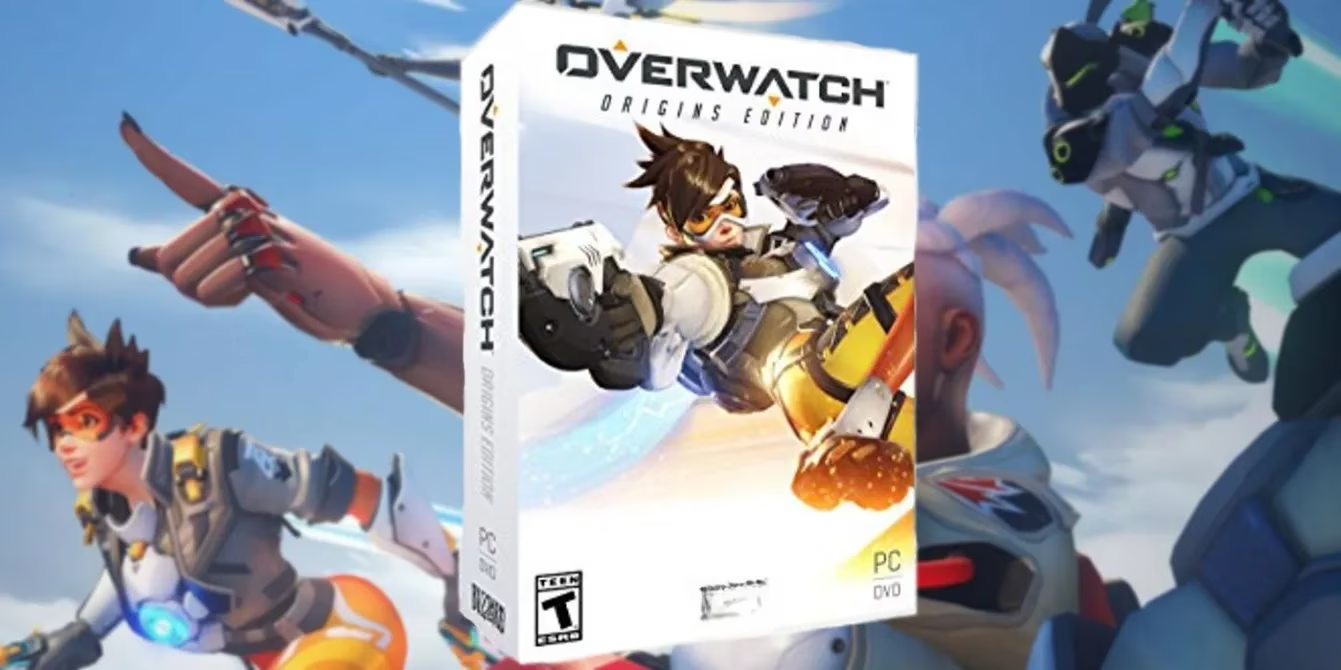
So, what does happen? If someone pops that disc into their Xbox or PlayStation, the console will connect to the internet, recognize the license, and download/install Overwatch 2. The physical case is essentially a very fancy, and somewhat misleading, authentication token for the free-to-play sequel. While it might grant some legacy cosmetic skins (more on that later), the core experience is 100% Overwatch 2.
From Loot Boxes to Battle Passes: The OW2 Revolution
Let's rewind and talk about the monumental changes that defined the shift. The original Overwatch was a paid, upfront-cost game ($40 at launch, later dropping to $20) that funded its ongoing development through loot boxes—randomized containers for cosmetics. By 2022, the gaming landscape's view on loot boxes had soured, with many regions scrutinizing them as a form of gambling.
Enter Overwatch 2. Blizzard's solution was a complete overhaul:
-
Free-to-Play Model: Zero barrier to entry. Anyone can download and play.
-
Battle Pass System: Replaced loot boxes with a structured, seasonal progression track. A free track offers some rewards, while a Premium Battle Pass (purchased with real money) unlocks the majority of cosmetics, new heroes at launch, and more.
-
5v5 Format: Reduced team sizes from 6v6, removing one Tank player per team to create faster, more aggressive matches.
This shift was, and remains, the source of much debate. For veterans, it meant the end of earning cosmetics simply by playing. For everyone, it introduced a relentless microtransaction ecosystem where cosmetics, once earnable, are now primarily purchased with premium currency. The game's soul—its tight gameplay, colorful heroes, and objective-based matches—remained intact, but its economy was completely rebuilt.
The Ethical Dilemma of Selling a 'Dead' Game
This brings us back to those physical copies. Is it ethical for retailers to still sell the Overwatch Legendary Edition at a non-zero price? Let's break it down:
The Potential Value:
-
The Legendary Edition originally included 15 rare hero skins. In some cases, these might carry over to a linked Overwatch 2 account, offering a sliver of legacy content.
-
The disc acts as a guaranteed license for OW2, which could matter in rare digital storefront scenarios.
The Major Problems:
-
Misleading Marketing: The box art, description, and price imply you're buying a standalone, complete game. You are not.
-
Inferior Value: Since Overwatch 2 is free, paying $20 or more for a box is objectively a worse deal than just downloading it.
-
Consumer Confusion: The average non-hardcore gamer likely won't know the intricate history. They see "Overwatch," they buy it, and then the installation process creates a confusing moment of "wait, what?"
Rumors back in the day suggested some retailers were destroying stock or selling copies for pennies just to clear shelf space. Finding it at full or near-full price in 2026 feels anachronistic and arguably exploitative.
OW2 in 2026: The State of the Game
Four years into its life cycle, Overwatch 2 has weathered its storms. The promised PvE story missions eventually launched, adding a rich narrative layer. The hero roster has expanded significantly, with each new character shaking up the meta. The Battle Pass, now a familiar fixture, refreshes every season with new themes, maps, and cosmetics.
The community's relationship with the monetization is... complicated. There's an acceptance of the model, but frequent feedback about high skin prices and the grind associated with the free Battle Pass track. The core appeal, however, is undeniable. The moment-to-moment gameplay of combining hero abilities, securing objectives, and pulling off clutch plays remains as addictive as ever.
| Aspect | Original Overwatch (Pre-2022) | Overwatch 2 (2026 Perspective) |
|---|---|---|
| Cost | Paid upfront ($20-$40) | Free-to-Play |
| Progression | Loot Boxes (random cosmetics) | Seasonal Battle Pass & In-Game Shop |
| Core Format | 6v6 | 5v5 |
| New Hero Access | Free for all players | Instant in Premium BP, later in Free Track |
| Status | Discontinued, servers merged | Live, constantly updated service |
Final Verdict: A Legacy in a Box
So, what's the bottom line for that dusty Overwatch copy on the shelf? It's a collector's item, not a practical purchase. For a superfan wanting a piece of history, it has novelty value. For anyone just looking to play the game, it's a confusing detour. The entire situation is a unique artifact of the modern gaming industry's shift to live service models. Games are no longer static products; they are evolving platforms. Overwatch 2 didn't just sequelize its predecessor; it consumed it.
The existence of these physical copies is a quirky, slightly sad reminder of a different time. It highlights the disconnect between physical retail's slow-moving inventory and the digital, ever-changing reality of the games we play today. For players in 2026, the future is all about what's next for Overwatch 2—the next hero, the next map, the next seasonal event. The past, it seems, is still for sale, if you know where to look and understand exactly what (or what not) you're getting. GG go next, as they say, but sometimes the past has a way of popping up in your present.