
In the neon-lit, often cynical arena of modern gaming, the mere whisper of 'microtransaction' is enough to send a shiver down a player's spine. They're the digital bogeymen, the corporate gremlins lurking in the code, ready to pounce on your wallet. But what if, just maybe, some games have cracked the code? What if, against all odds, a handful of titles have wielded this controversial tool not as a blunt instrument of greed, but as a sculptor's chisel, carefully shaping a sustainable and, dare we say, fair experience for their legions of fans? As we look back from the vantage point of 2026, the legends of these transactional titans have only grown. These are the games that didn't just implement microtransactions; they perfected them, creating ecosystems where players felt valued, not exploited.
The Direct Deal: Titanfall 2
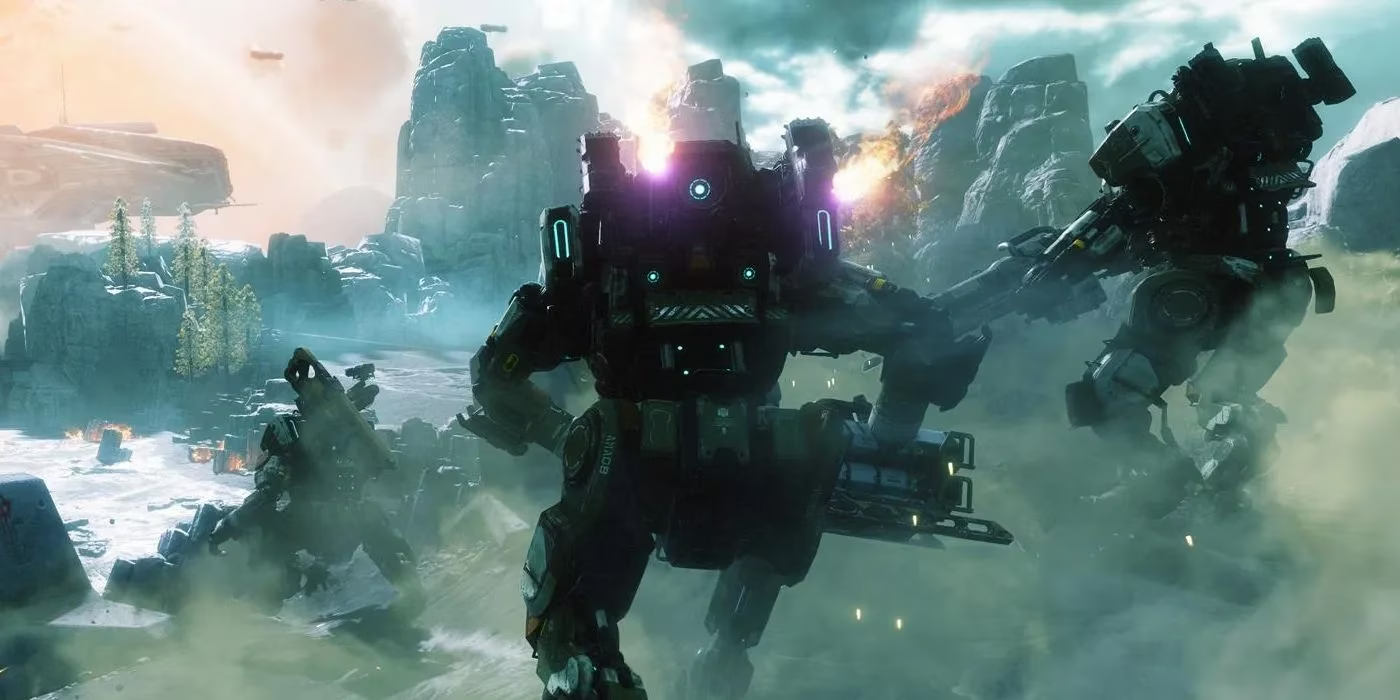
While its spiritual successor, Apex Legends, became synonymous with loot box drama, Titanfall 2 stands as a monument to transparency. Developed by the wizards at Respawn Entertainment, this game offered online mayhem of the highest order. But its true genius lay in its storefront. Can you imagine? A system where you simply... buy what you want? No slots, no spins, no praying to the RNG gods. Redditors celebrated this approach, highlighting the sheer, unadulterated joy of purchasing content "directly at a fair price and don't gamble for them." In a sea of predatory mechanics, Titanfall 2 was an island of sanity.
The Earn-It-All Epic: Lord of the Rings Online
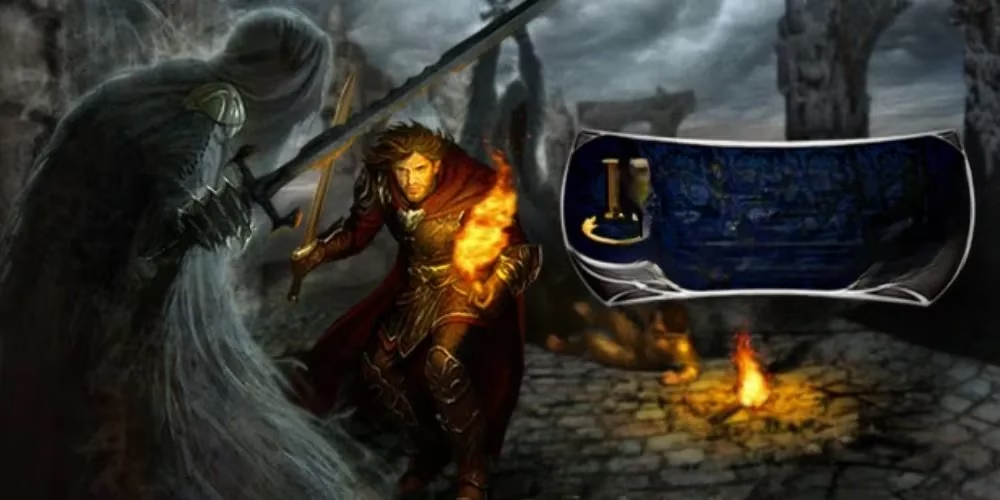
Journeying through Middle-earth shouldn't require a treasure hoard worthy of Smaug. Lord of the Rings Online, that venerable MMORPG, understood this deeply. Transitioning from a subscription to a free-to-play model could have been a disaster, but instead, it became a masterclass in player respect. The secret? A robust system where dedicated players could grind for store credits equivalent to real money. That's right—through sheer perseverance, you could unlock anything in the cash shop without spending a single copper coin of real-world currency. For a game that saw a major expansion as recently as 2021, this commitment to its free-playing community is nothing short of heroic.
The Bundle Bargain: Smite
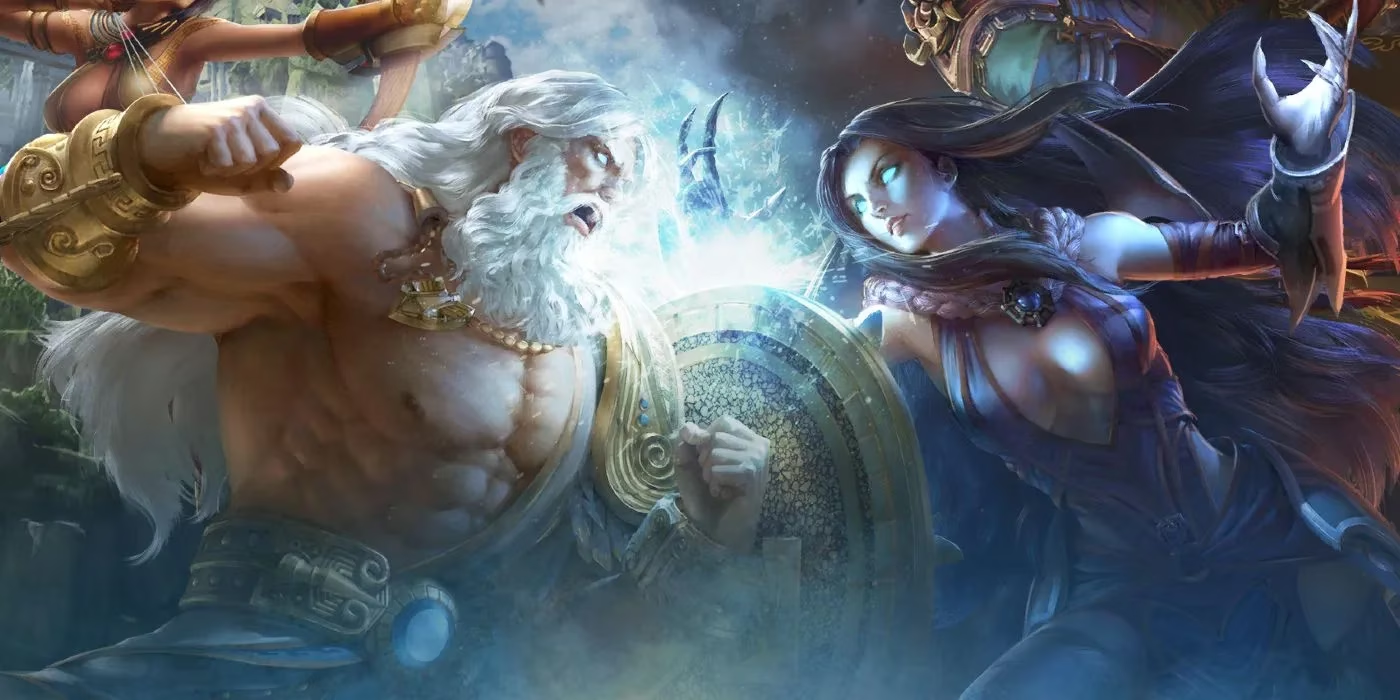
With a pantheon of over 120 gods, the pressure to monetize in Smite must have been immense. Yet, Hi-Rez Studios chose a path of remarkable fairness. Every celestial powerhouse, even those capable of turning the tide of battle single-handedly 🎯, can be unlocked with in-game favor. But the crown jewel is the "Ultimate God Pack." For a one-time, famously reasonable fee (around $30), you gain access to every character—past, present, and future. And here's the kicker: if you've already purchased some gods individually? That amount is deducted from the bundle price. It's a system that rewards early support and eliminates the fear of missing out, proving that good business and goodwill can go hand-in-hand.
The Shareable Spectacle: Dota 2
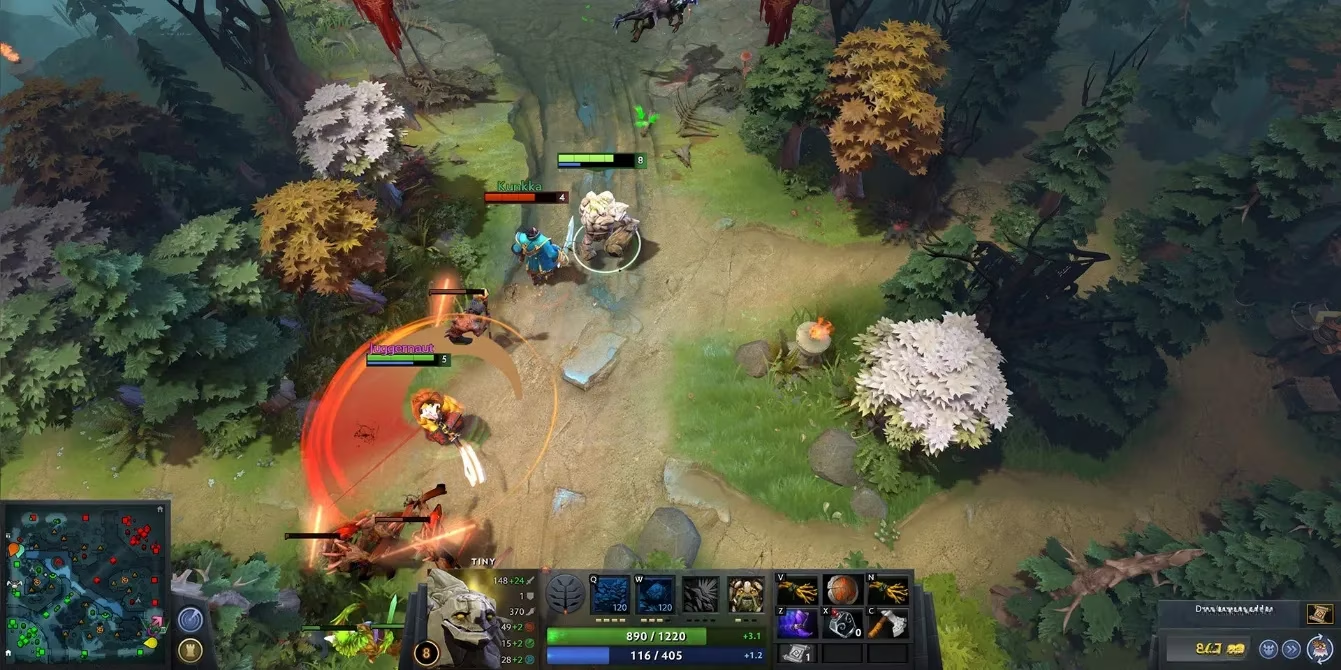
Valve's Dota 2 operates on a simple, revolutionary principle: gameplay is sacred. Not a single strategic advantage is locked behind a paywall. But where it truly shines is in its communal approach to cosmetics. Remember announcer packs, custom HUDs, and other flair? In Dota 2, these items are shareable. If one player in your party owns a particularly snarky announcer, everyone in the match gets to enjoy it. This fostered a culture of generosity and spectacle that was virtually unheard of elsewhere. It transformed microtransactions from a solitary indulgence into a shared celebration. 🎉
The DLC Dynasty: Borderlands 2
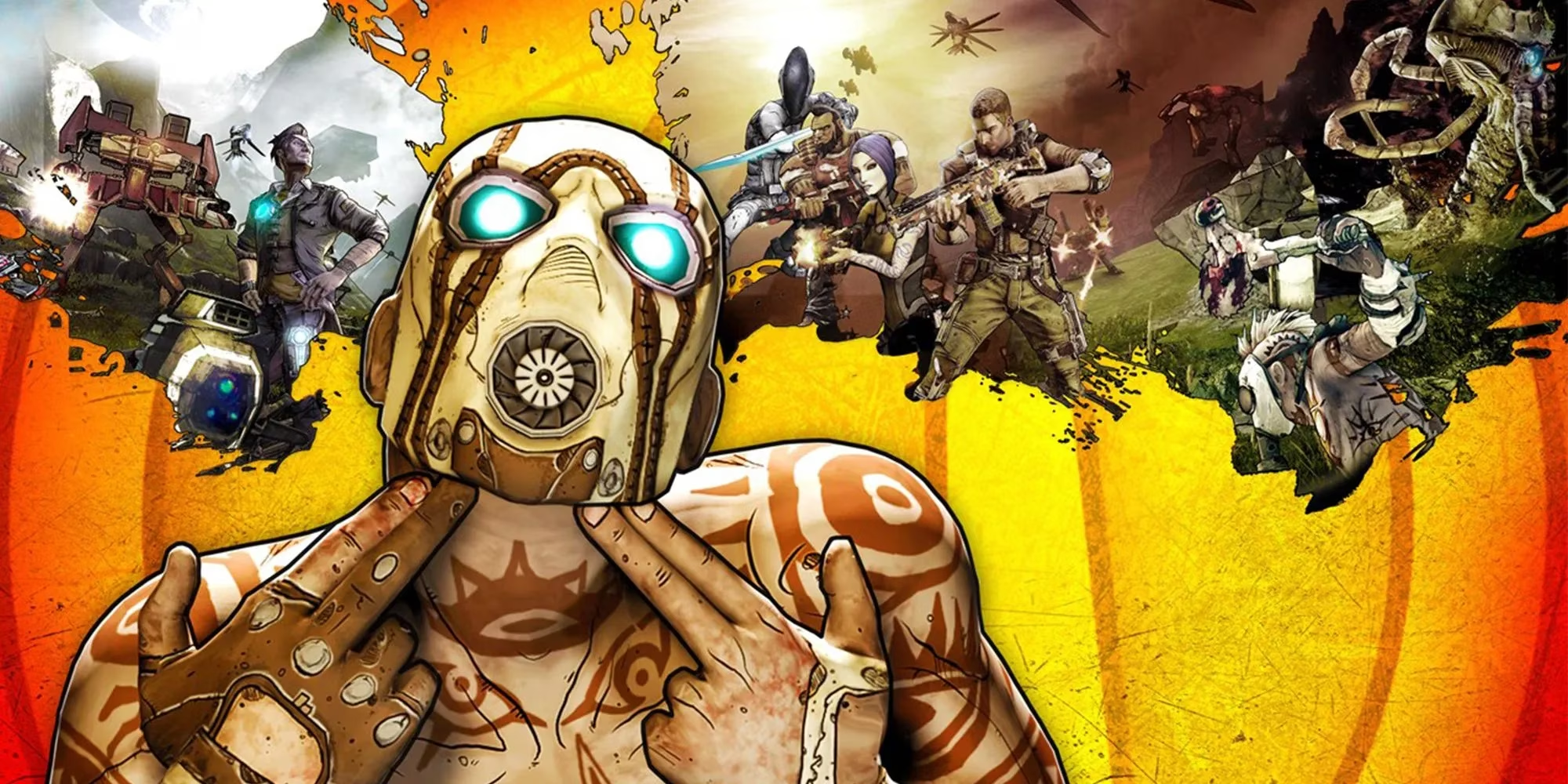
Before the industry went micro-crazy, there was the glorious, content-rich world of DLC. And no one did it better than Borderlands 2. This looter-shooter masterpiece offered a mountain of post-launch content—new campaigns, characters, raids, and yes, cosmetics—all bundled into affordable, substantial packs. The Game of the Year edition became the stuff of legend, packing an absurd amount of value into one purchase. Players argued that "Microtransactions aren't that bad if they are micro," and Borderlands 2's DLC was the epitome of this: significant content for a fair price, with no nagging in-game store. Its successor's shift toward smaller transactions only made this classic's model look more golden in hindsight.
The Transparent Hunt: Monster Hunter World
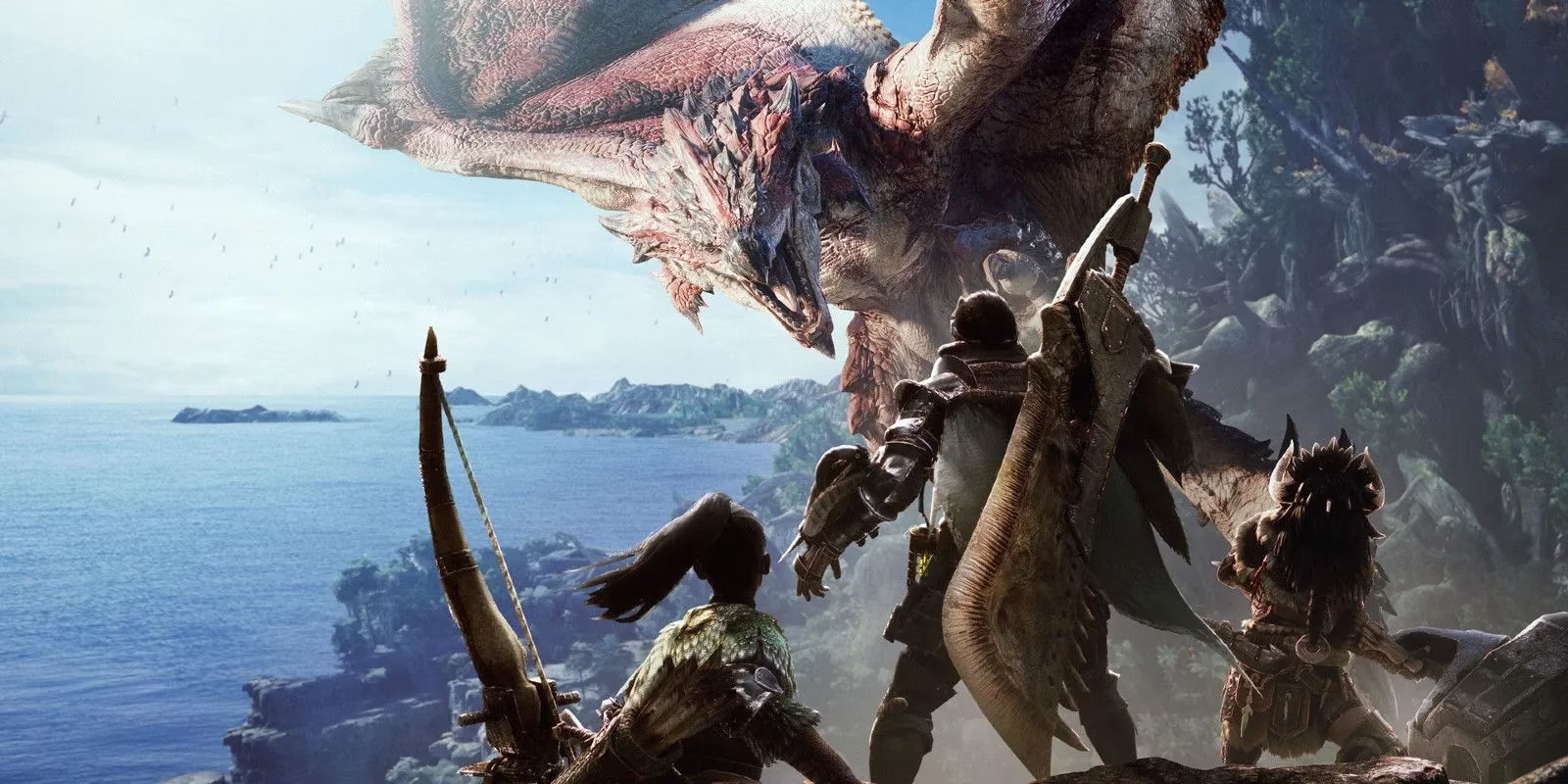
Who would have thought a game about slaying behemoths could offer such a stress-free shopping experience? Monster Hunter World took a brilliantly straightforward approach. The microtransactions? They weren't even in the game! Instead, they were politely tucked away in the Steam Store. No special 'Hunter Gems' or confusing currency conversions—just clear, real-world prices for cosmetic items like gestures and hairstyles. You paid for the full, magnificent game upfront, and any extras were a simple, transparent choice. This respect for the player's intelligence and wallet meant the community could focus on what mattered: the hunt. 🐉
The Cosmetic Colossus: League of Legends
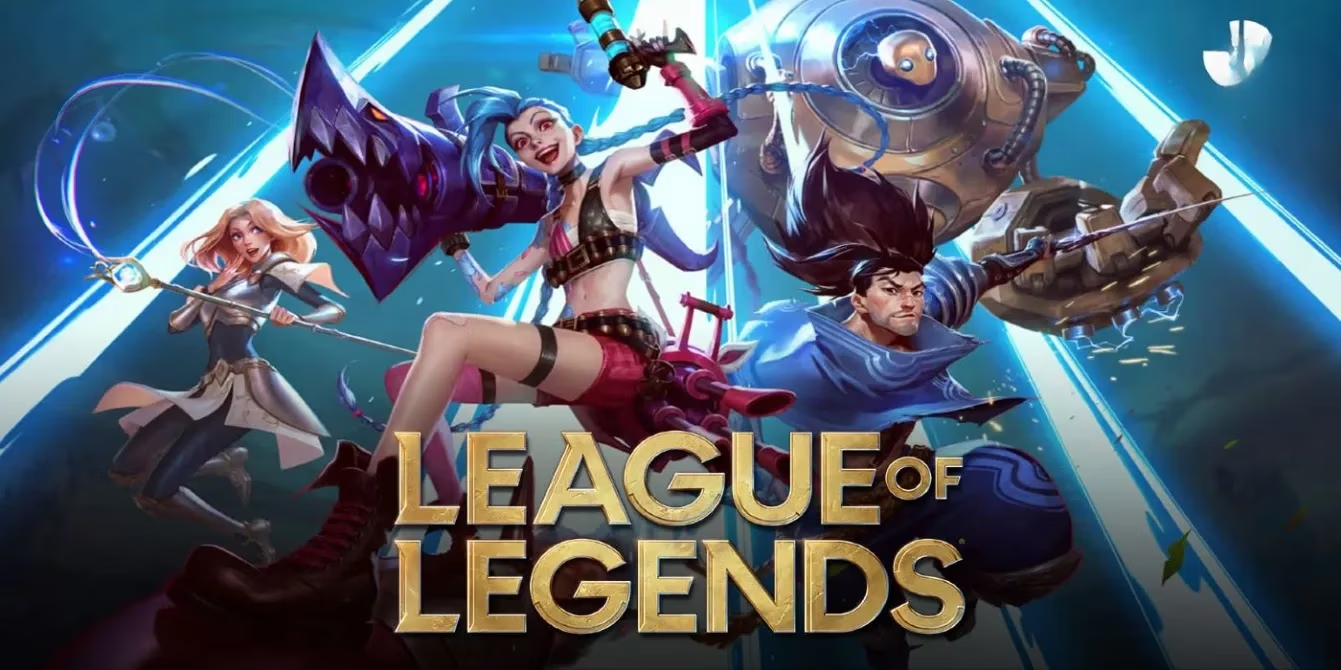
The granddaddy of them all, League of Legends, didn't just popularize the MOBA; it wrote the early rulebook on ethical free-to-play. Every one of its now-countless champions can be earned through patient play with Blue Essence. Real money is primarily for splurging on cosmetics—and what cosmetics they are! From epic skin lines with entirely new voiceovers and animations to fun little emotes, Riot Games turned vanity into an art form. As veterans point out, League "did microtransactions before they became the norm and they did it right." It established a core tenet: you can compete at the highest level without spending a dime, but you can pay to look utterly fabulous doing it.
The Story-First Saga: Star Wars: The Old Republic
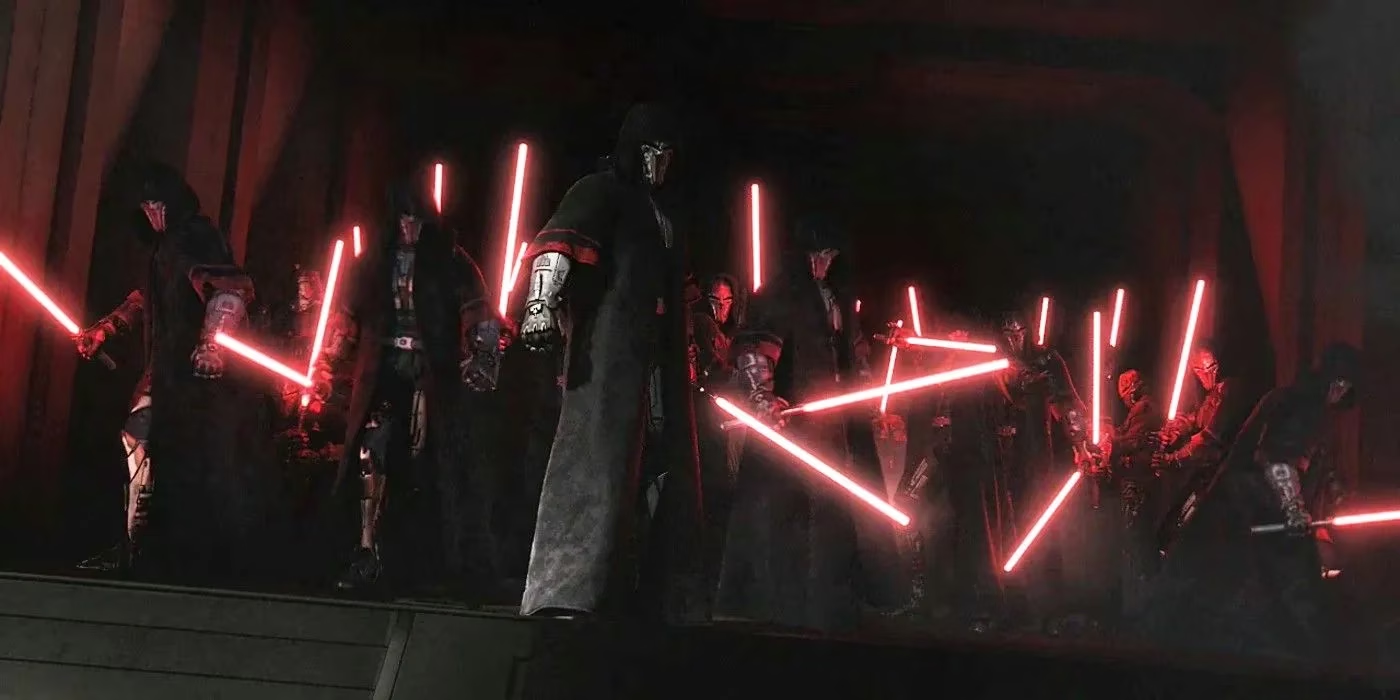
In a galaxy far, far away, BioWare made a bold promise: the story is for everyone. Star Wars: The Old Republic, despite being "riddled with Micros," holds its epic, class-driven narratives completely free. You can play through all eight iconic class stories, experiencing hundreds of hours of fully voiced cinematic content, without a subscription. The microtransactions and subscription benefits instead enhance the side activities—conveniences, endgame gear, and cosmetic fluff. It’s a model that says, "Here is a monumental RPG experience. If you love it and want more, we have options." This focus on gating fun, not fundamental content, has kept its loyal fanbase engaged for over a decade.
The Fashion-Forward Classic: Team Fortress 2
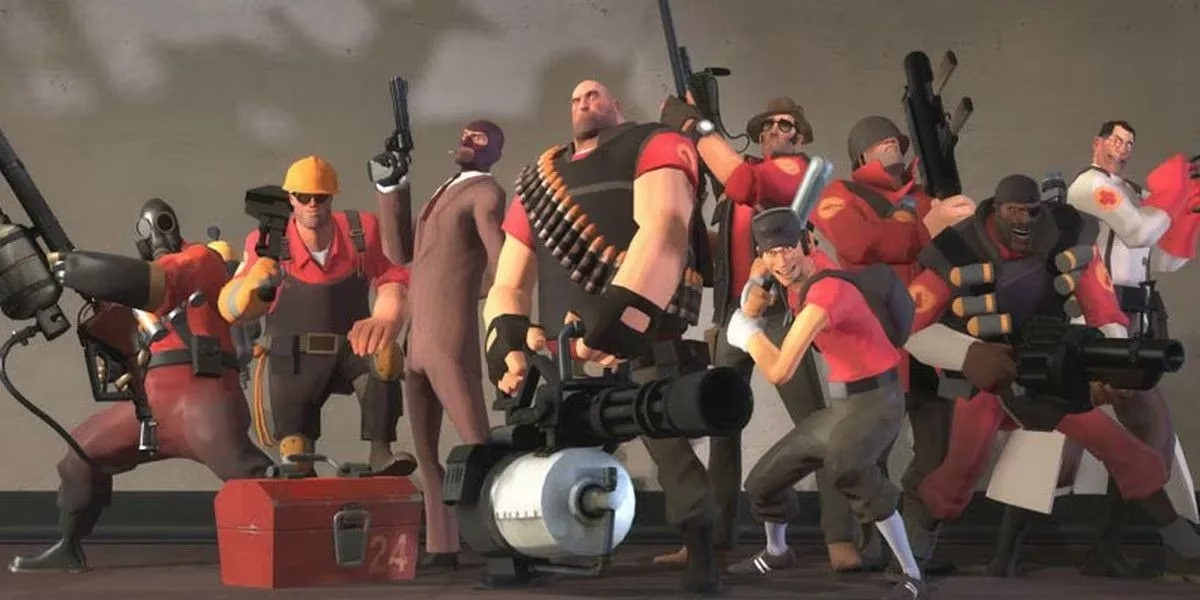
The phrase that defined a generation: "No pay to win. Just pay to look good." Team Fortress 2 didn't just popularize the cosmetic-only model; it elevated it into a cultural phenomenon. Its Mann Co. Store was a carnival of hats, unusual weapons (with identical stats to defaults), and taunts that added pure, unadulterated personality. By ensuring that every transaction was purely about expression and humor, Valve removed any ethical dilemma. Spending money wasn't about gaining power; it was about becoming the most memorable, dapper, or utterly ridiculous mercenary on the battlefield. It was microtransactions as a form of comedy and art.
The Box of Surprises: Overwatch
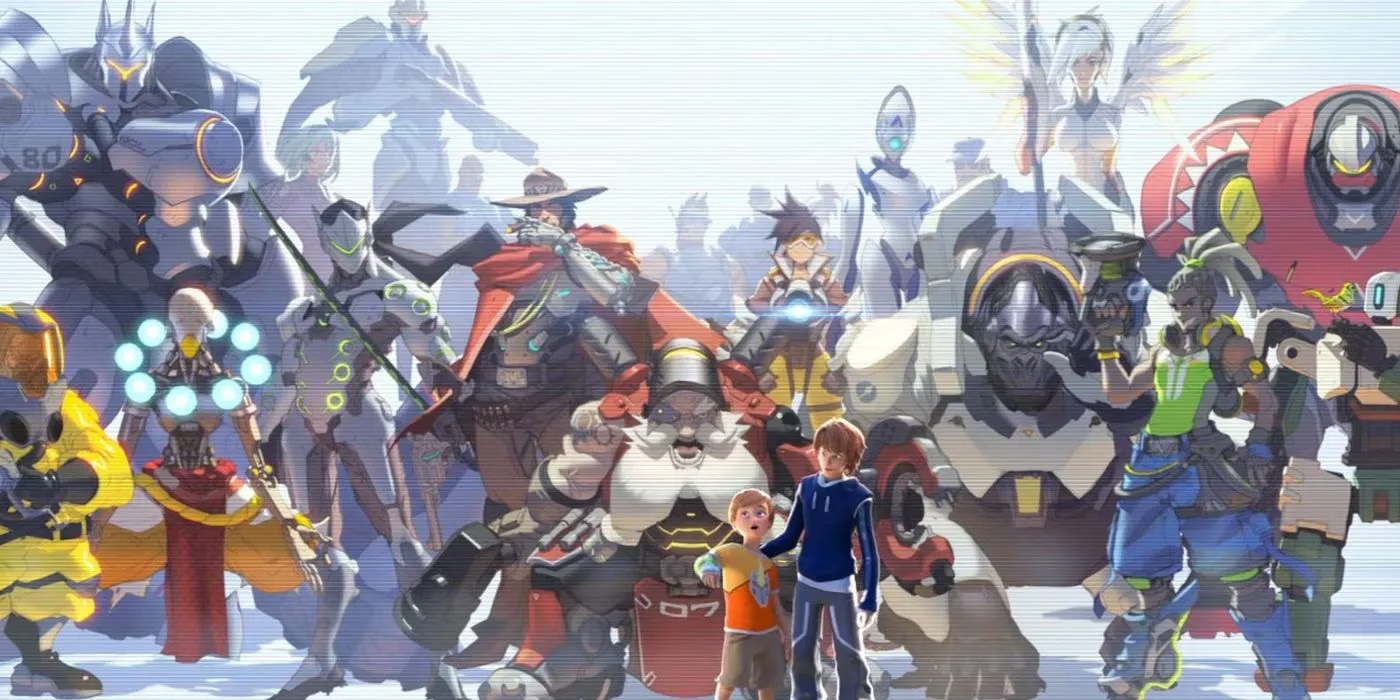
Before the seismic shift to Overwatch 2's battle pass system, the original game presented a loot box system that was, astonishingly, not reviled. How did it manage that? Through sheer generosity. Loot boxes flowed like confetti for simply playing the game—leveling up, winning arcade matches, participating in events. The in-game store was a quiet, optional corner, never shouting deals in your face. And crucially, every single item inside those boxes was a cosmetic. You could amass an incredible collection of legendary skins, highlight intros, and emotes without ever opening your wallet. It felt like a reward system first, a store second. In an era now defined by FOMO-driven passes, many look back on Overwatch's original model with a nostalgic sigh.